TYCK · COMPANY EVIDENCE

Certificates & Approval Evidence

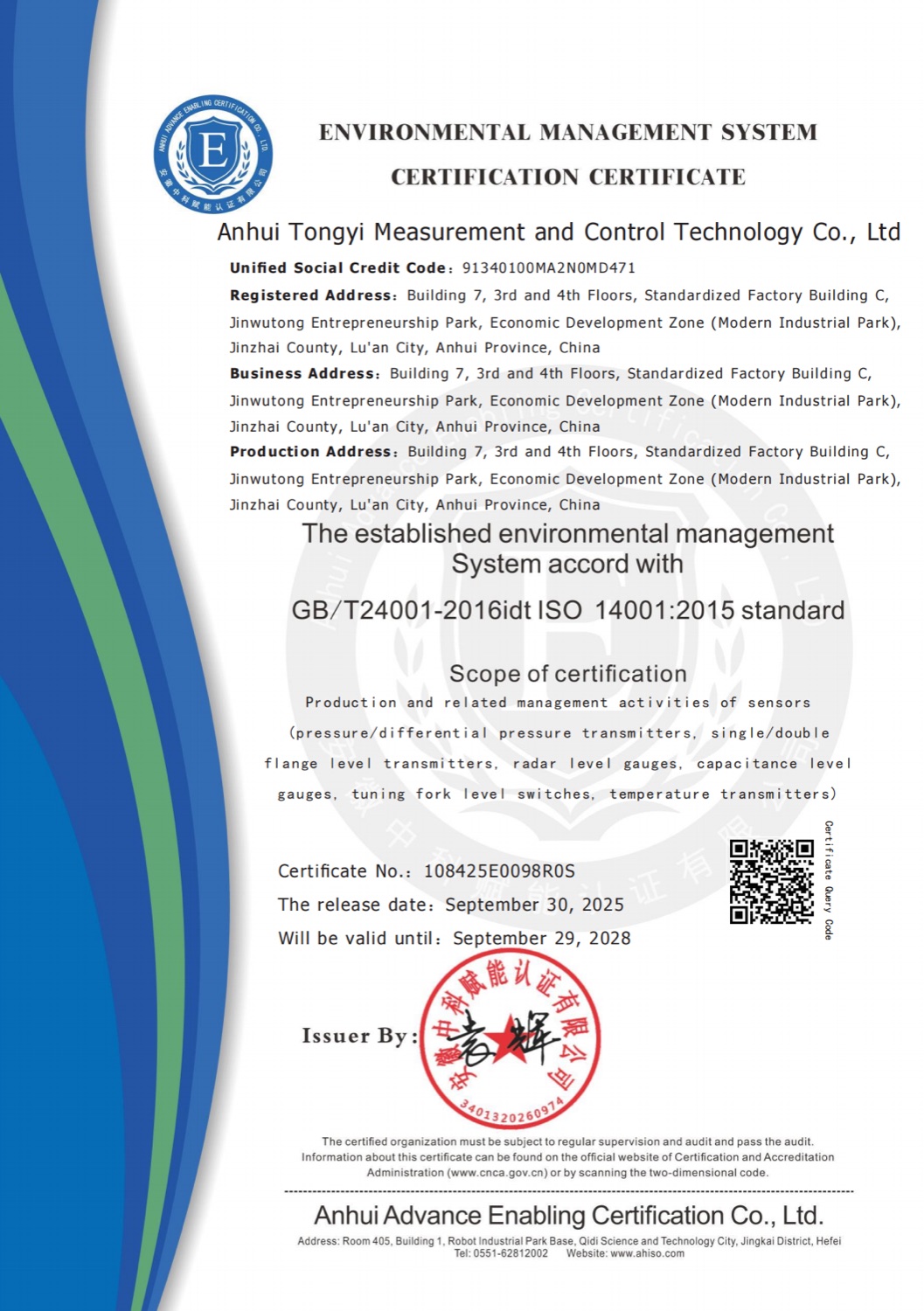
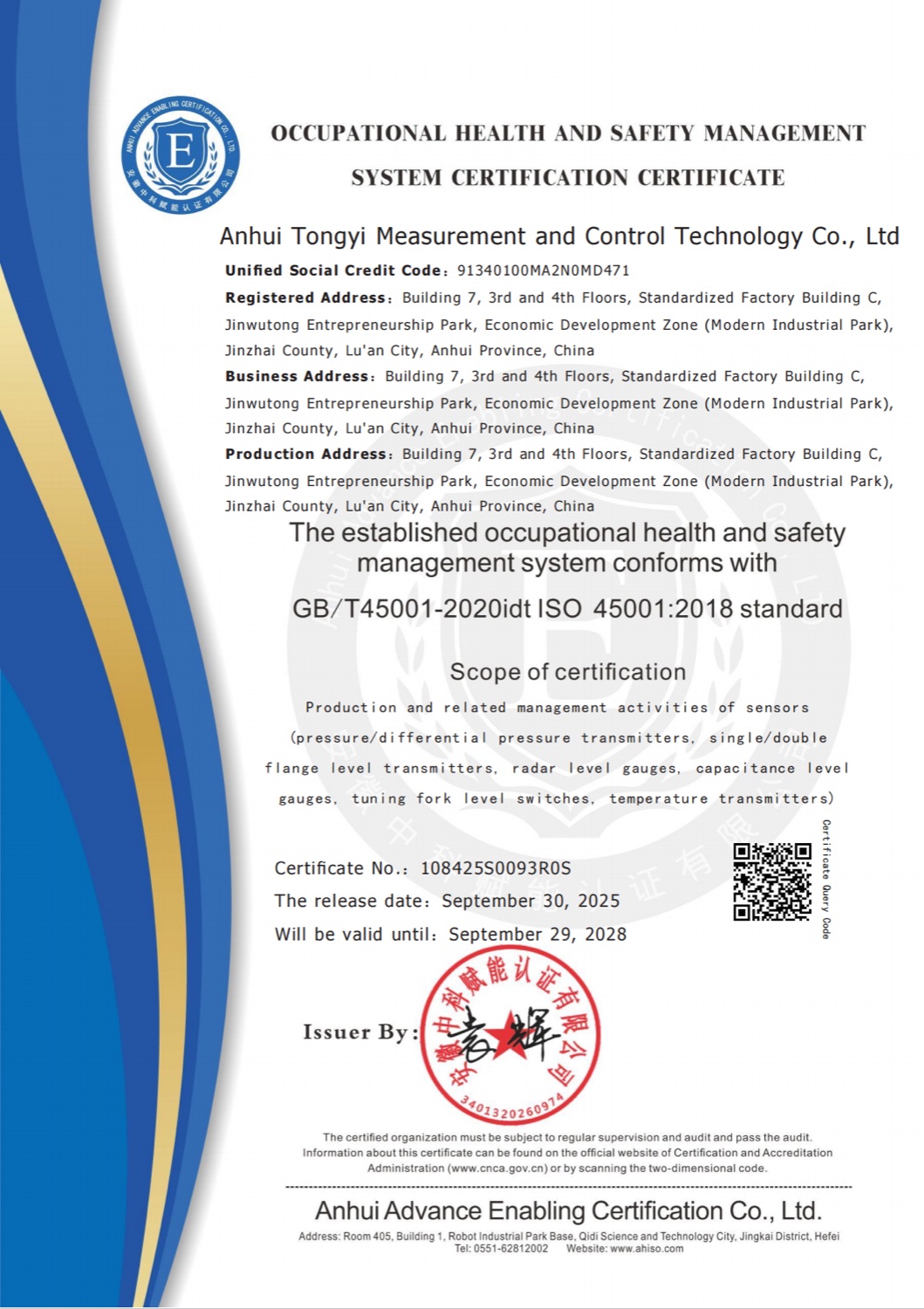
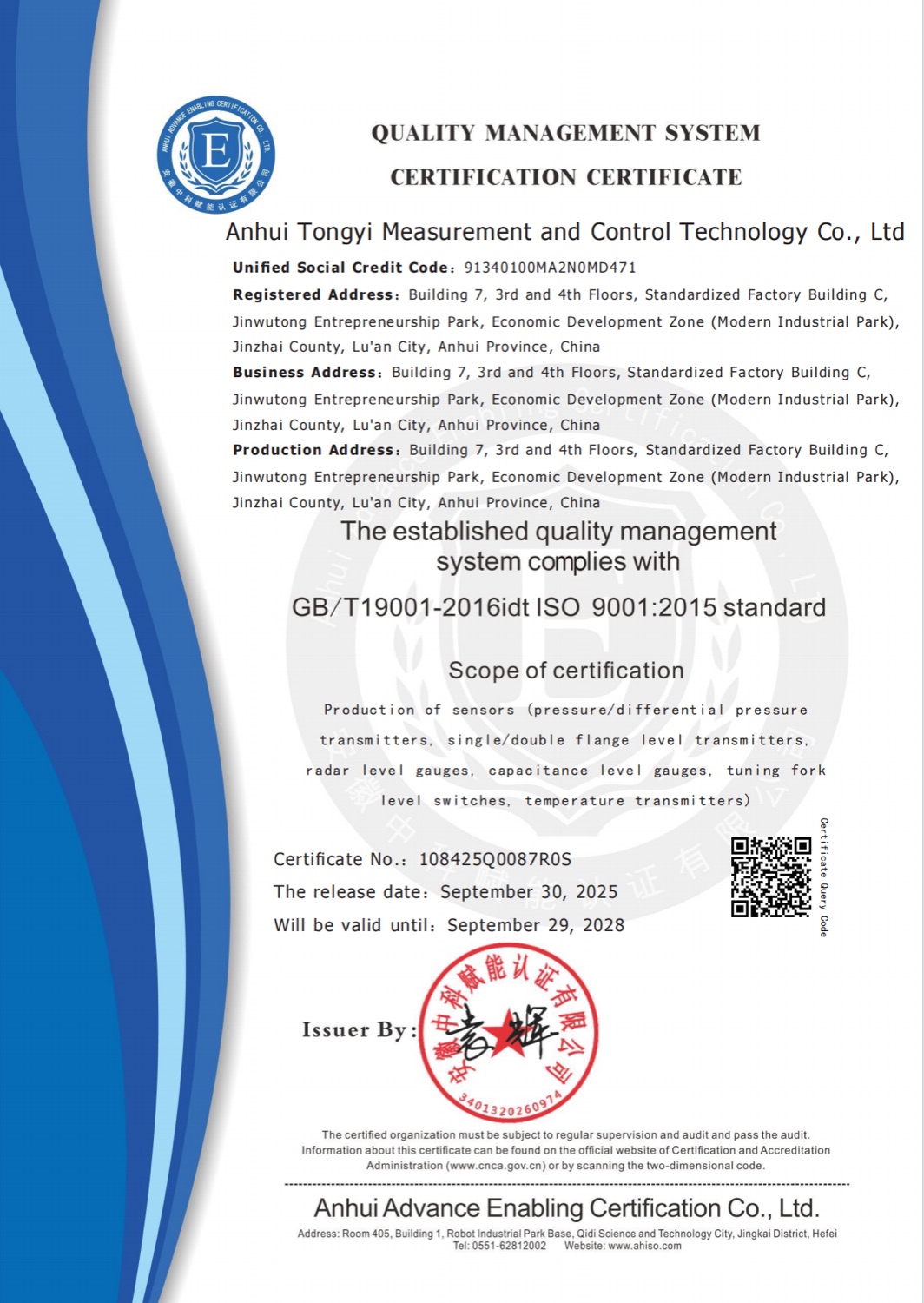
A certificate is usable evidence only within its stated entity, product, model, option, location, standard, scope and validity period. This page explains how TYCK certificate requests should be identified and checked. It does not publish an unverified certification claim or imply that a company-system certificate automatically covers every product configuration, hazardous area or destination requirement.

Reviewed

PUBLIC STATUS

Public status: evidence fields required

A certificate is not treated as verified public evidence unless its issuer, holder, number, scope, applicable models and validity can be shown and checked. Request the current file for the intended use.

PRACTICAL PROCESS

How to use this information

  1. Classify the requirement

    State whether the request concerns a company management system, a product approval, hazardous-area protection, material evidence or another project requirement. Name the standard, destination and exact use instead of requesting a generic certificate pack.

  2. Verify identity and scope

    Compare the holder and manufacturing entity, issuer, certificate number, standard, issue and expiry dates, certified scope, model schedule and any option or marking restrictions. A matching logo or product-family name is not sufficient evidence.

  3. Freeze the applicable record

    Reference the verified certificate and revision in the approved quotation, technical agreement or order record when it is a supply requirement. Recheck validity and scope before shipment or submission because renewal does not automatically preserve identical coverage.

EVIDENCE CHECKLIST

Fields to verify before relying on a record

Certificate type
Management-system, product, protection method, material or other defined purpose.
Holder and site
Legal entity and covered location exactly as printed on the document.
Issuer
Certification, accreditation or issuing body and a verifiable source where available.
Certificate identity
Certificate number, issue date, expiry date and current status.
Normative scope
Standard and edition, certified activity or protection concept and limitations.
Product coverage
Model family, exact code, option, marking or schedule that connects the document to the configuration.
Destination fit
Country, project or authority requirements that the purchaser intends the evidence to satisfy.

DOCUMENT CONTROL

Which document takes priority?

  1. Executed contract and signed technical agreement: Controls the agreed scope, exceptions and acceptance terms for the transaction.
  2. Approved order confirmation and configuration datasheet: Controls the ordered model, SKU, options, quantity and order-specific deliverables.
  3. Current model/SKU drawing, manual, certificate or test record: Supports the applicable technical value or evidence claim when its identity, revision and scope match.
  4. Public webpage or sales summary: Supports discovery only and does not override an approved configuration or order document.

Important limitations

  • A management-system certificate is not a product approval and does not establish product performance.
  • A certificate for one model, option, legal entity or validity period must not be presented as coverage for another.

CONFIGURATION-SPECIFIC SUPPORT

Request the record that applies to your order

Send the model, SKU, process conditions, order reference and the evidence or document you need. TYCK can then confirm what is available for that specific configuration without asking you to rely on a general website statement.

Contact TYCK about this topic

EVIDENCE FAQ

Frequently asked questions

Does an ISO 9001 certificate prove that a product has a specific approval?

No. ISO 9001 concerns the certified organisation and management-system scope stated on that certificate. It does not by itself establish a product accuracy value, hazardous-area protection, hygienic suitability or destination approval. When ISO evidence is required, verify the holder, site, certification body, certificate number, scope and validity. Product requirements need their own model- and configuration-specific evidence and should be listed separately in the technical agreement or order.

How can a purchaser check whether a product certificate applies to a SKU?

Compare the certificate holder, product name, model schedule, option codes, protection marking, standard edition and any special conditions with the exact proposed SKU. Review issue and expiry dates and verify the document through the issuer or an authoritative database when available. If the code is absent or the relationship is unclear, request written clarification and supporting schedule before treating the certificate as applicable. Do not rely on enclosure appearance or a similar family name.

What should happen when a certificate is renewed or replaced?

Keep the certificate used for the original order record, then assess the new document rather than assuming uninterrupted identical coverage. Check whether the holder, issuer, number, standard edition, model schedule, scope or conditions changed. For a current procurement, reference the accepted revision and validity in the order documents. For installed equipment, preserve historical evidence needed to show what applied at the time of supply and obtain the issuer’s clarification if continuity matters.