TYCK Product Matrix

Industrial Flow Measurement & Selection Guide

Compare electromagnetic, turbine, vortex, ultrasonic and differential-pressure flow measurement principles before selecting and sizing an industrial flow meter.

10 Product results

Engineering Selection Guide

Category overview

A flow measurement project should begin with the quantity being measured: actual volume, standard volume, mass, totalised amount, batch quantity or energy. The answer determines whether density, pressure and temperature compensation are needed and where calculations will occur. Define minimum, normal and maximum flow rather than a single design value, then add the fluid state, composition and expected changes. A meter that performs well at normal flow may not cover start-up, low-load or cleaning conditions without a different size or principle.

Fluid properties separate the major technologies. Conductivity matters to electromagnetic meters; viscosity and cleanliness matter to many turbine applications; Reynolds-number behaviour and pressure loss matter to differential-pressure and vortex systems; acoustic path and bubbles affect ultrasonic approaches. Steam and gases require clear pressure and temperature references. Multiphase flow, entrained gas, flashing, solids or coating can change signal quality. These are principle-selection inputs, not details that should be hidden inside a nominal pipe diameter.

Installation can dominate the result. Record pipe material, internal diameter or schedule, liner, orientation, upstream and downstream disturbances, valves, pumps and the available straight length. State whether the pipe stays full and whether grounding, flow conditioning, impulse lines or temperature and pressure inputs are available. Maintenance access, zero verification and removal strategy matter over the instrument's life. If pressure loss is constrained, include an allowable value rather than assuming every meter has the same hydraulic effect.

The TYCK flow categories below help compare published meter families, but they do not establish sizing or custody suitability by themselves. Submit the fluid name and composition, phase, density, viscosity, conductivity if relevant, pressure, temperature, flow envelope, pipe data, desired output and accuracy objective. Ask for a sizing result and configuration-specific datasheet. Calibration, compensation, materials, enclosure and certificates should be attached to the selected code rather than copied from a different size or measuring principle.

Selection factors

Measured quantity
Define actual or standard volume, mass, total, batch or energy and the required engineering units. State where density, temperature and pressure compensation will come from and how the receiving system uses the result.
Fluid and envelope
Provide fluid composition and phase, density, viscosity, conductivity when relevant, solids, bubbles, normal and extreme pressure and temperature, plus minimum, normal and maximum flow including start-up and cleaning conditions.
Piping and hydraulics
Give actual internal diameter or schedule, material and liner, orientation, full-pipe status, disturbances, straight-run availability and allowable permanent pressure loss. Identify valves, pumps, reducers and injection points near the meter.
Performance and interface
Describe control, monitoring, batching or accounting objective, required uncertainty or repeatability, response, totalisation, power, outputs, communication and documentation. Any regulated or trade use needs separately verified evidence.

Typical applications

  • Conductive water and process liquids considered for electromagnetic measurement after conductivity, lining, electrode and grounding review.
  • Clean liquids considered for turbine measurement where viscosity, bearings, filtration, pipe profile and maintenance can be controlled.
  • Steam, gas and utility services assessed for vortex, differential-pressure or ultrasonic principles with the necessary compensation inputs.

Limitations and confirmation points

  • Pipe size alone is not a sufficient selection input. A preliminary family choice can change after the minimum flow, fluid properties, pressure loss and installation profile are evaluated.
  • Do not infer billing, custody-transfer or legal-metrology suitability from a normal flow-meter listing. Those duties need the exact calibration, approvals, installation rules and contractual uncertainty basis.

Product Catalog

Flow

10products

Compare Selected 0/4

Select at least two products to compare.

Flow Meter

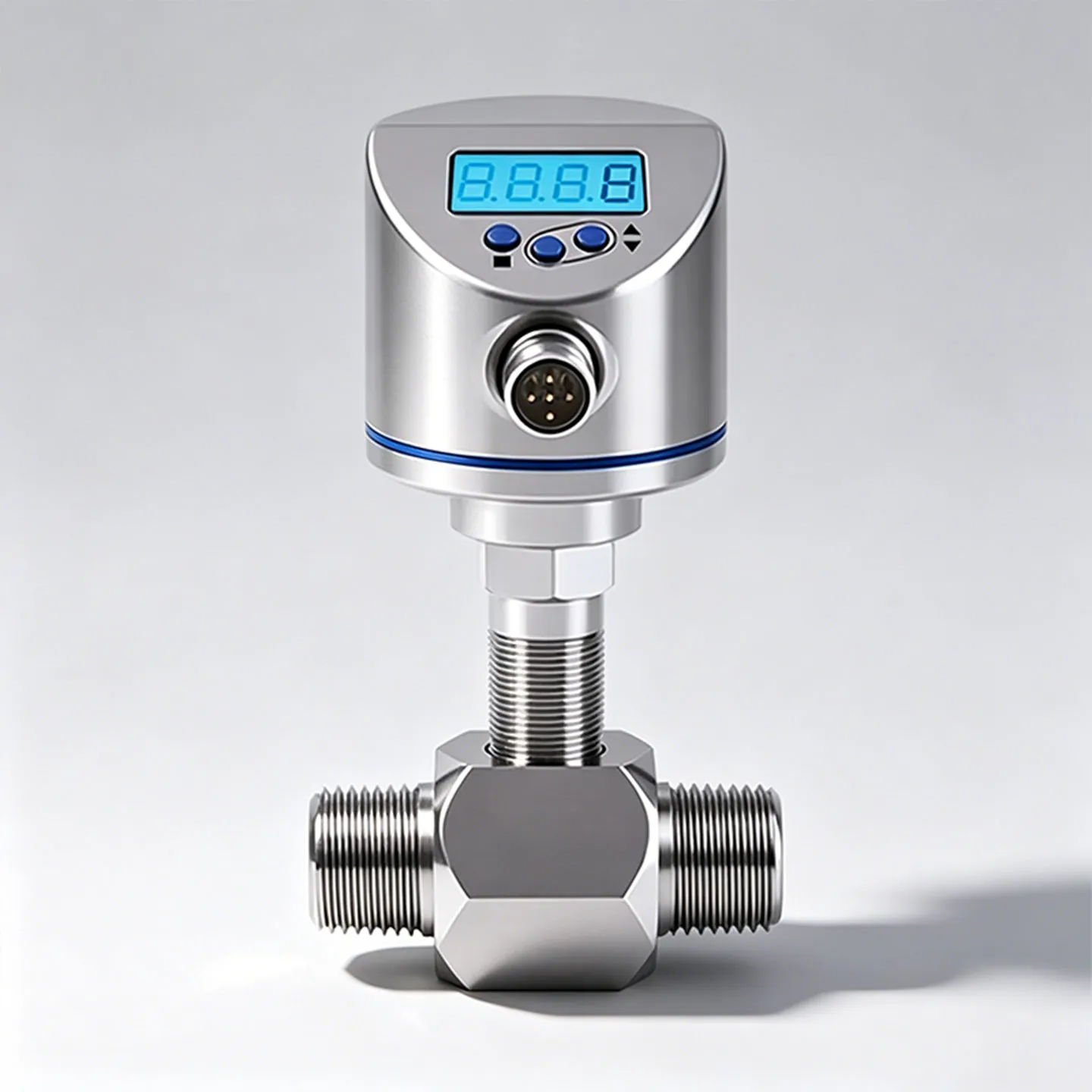
TYCK FLOW T210 Liquid Turbine Flow Meter

Liquid Turbine Flow Meter with configuration-specific range, connection, material and output options

  • Platform modelT210
  • Measuring mediumclean low viscosity liquid

Process and utility lines when fluid properties match the selected measurement principle.

Documents Request quote
2 SKUs

Flow Meter

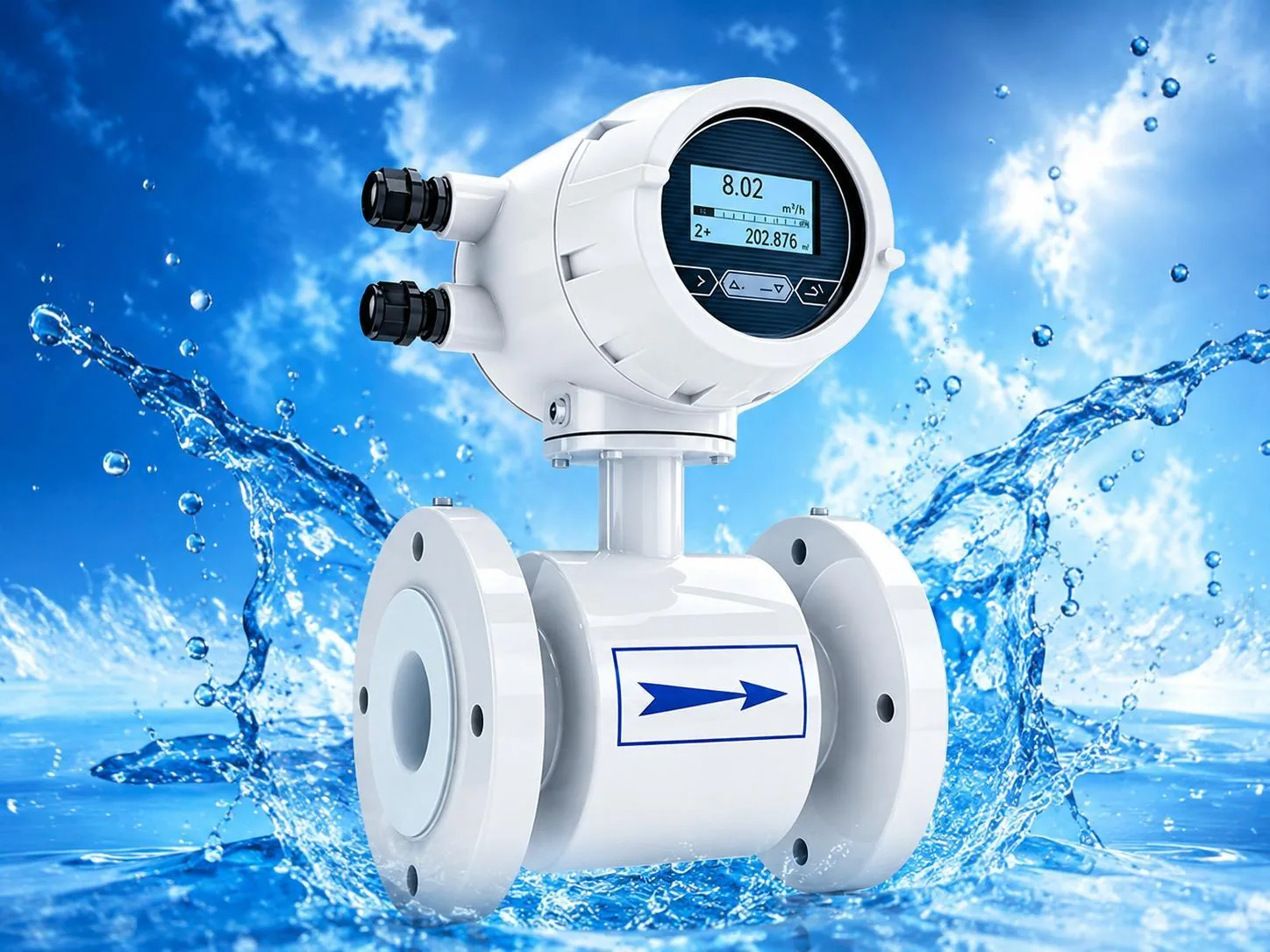
TYCK FLOW E210 Integrated Electromagnetic Flow Meter

Integrated Electromagnetic Flow Meter with configuration-specific range, connection, material and output options

  • Platform modelE210
  • Measuring mediumconductive liquid, such as clean water, sewage, acid-base salt solution and slurry

Process and utility lines when fluid properties match the selected measurement principle.

Documents Request quote

Flow Meter

TYCK FLOW E220 Remote Electromagnetic Flow Meter

Remote Electromagnetic Flow Meter with configuration-specific range, connection, material and output options

  • Platform modelE220
  • Measuring mediumconductive liquid

Process and utility lines when fluid properties match the selected measurement principle.

Documents Request quote

Flow Meter

TYCK FLOW E230 Insertion Electromagnetic Flow Meter

Insertion Electromagnetic Flow Meter with configuration-specific range, connection, material and output options

  • Platform modelE230
  • Measuring mediumconductive liquid

Process and utility lines when fluid properties match the selected measurement principle.

Documents Request quote

Flow Meter

TYCK FLOW E240 Battery-Powered Electromagnetic Flow Meter

Battery-Powered Electromagnetic Flow Meter with configuration-specific range, connection, material and output options

  • Platform modelE240
  • Measuring mediumconductive liquid

Process and utility lines when fluid properties match the selected measurement principle.

Documents Request quote

Flow Meter

TYCK FLOW E250 Hygienic Electromagnetic Flow Meter

Hygienic Electromagnetic Flow Meter with configuration-specific range, connection, material and output options

  • Platform modelE250
  • Measuring mediumconductive liquid

Process and utility lines when fluid properties match the selected measurement principle.

Documents Request quote

Flow Meter

TYCK FLOW E260 Corrosion-Resistant Electromagnetic Flow Meter

Corrosion-Resistant Electromagnetic Flow Meter with configuration-specific range, connection, material and output options

  • Platform modelE260
  • Measuring mediumacid, alkali and corrosive conductive medium

Process and utility lines when fluid properties match the selected measurement principle.

Documents Request quote

Flow Meter

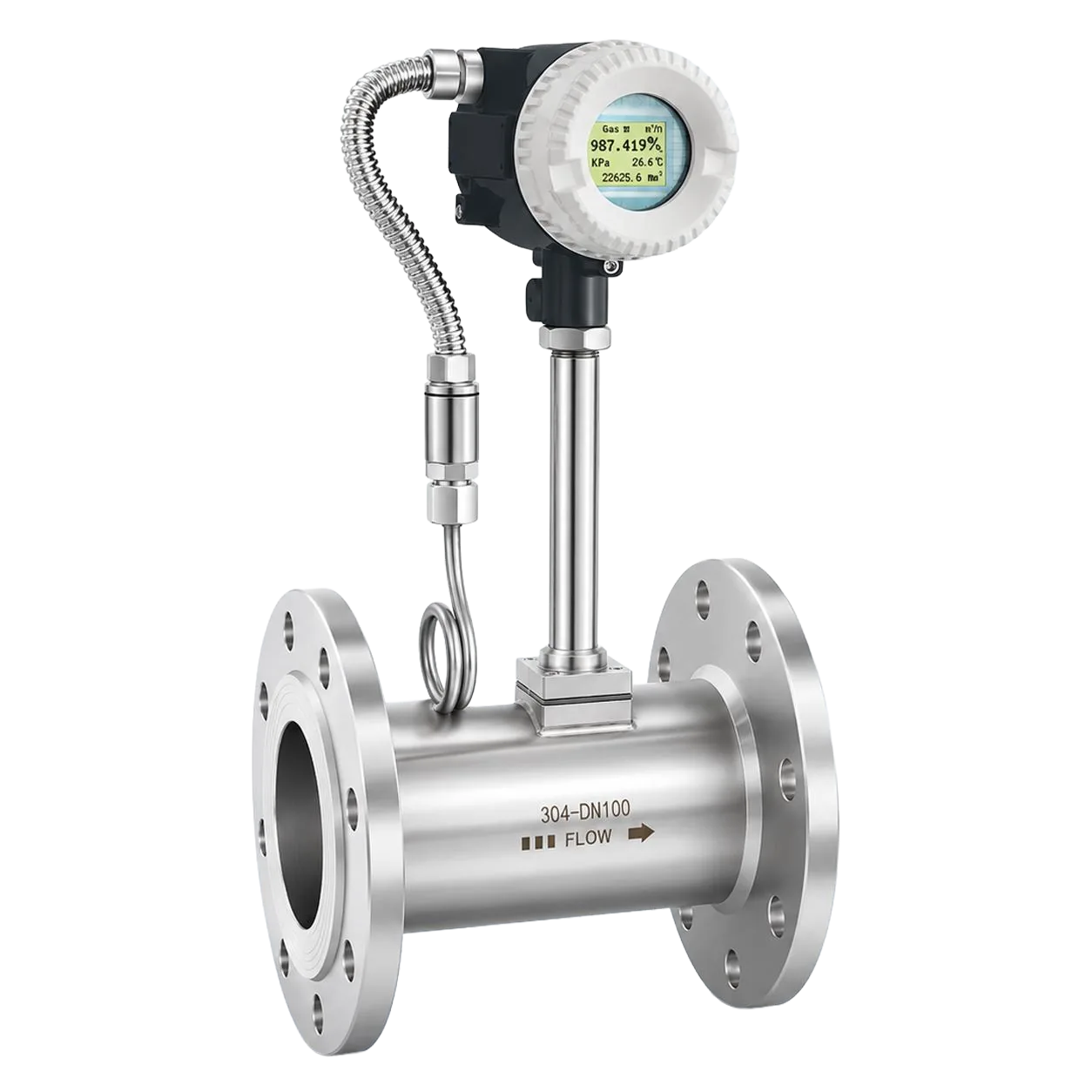
TYCK FLOW V210 Smart Vortex Flow Meter

Smart Vortex Flow Meter with configuration-specific range, connection, material and output options

  • Platform modelV210
  • Measuring mediumsteam, gas and low viscosity liquid

Process and utility lines when fluid properties match the selected measurement principle.

Documents Request quote

Flow Meter

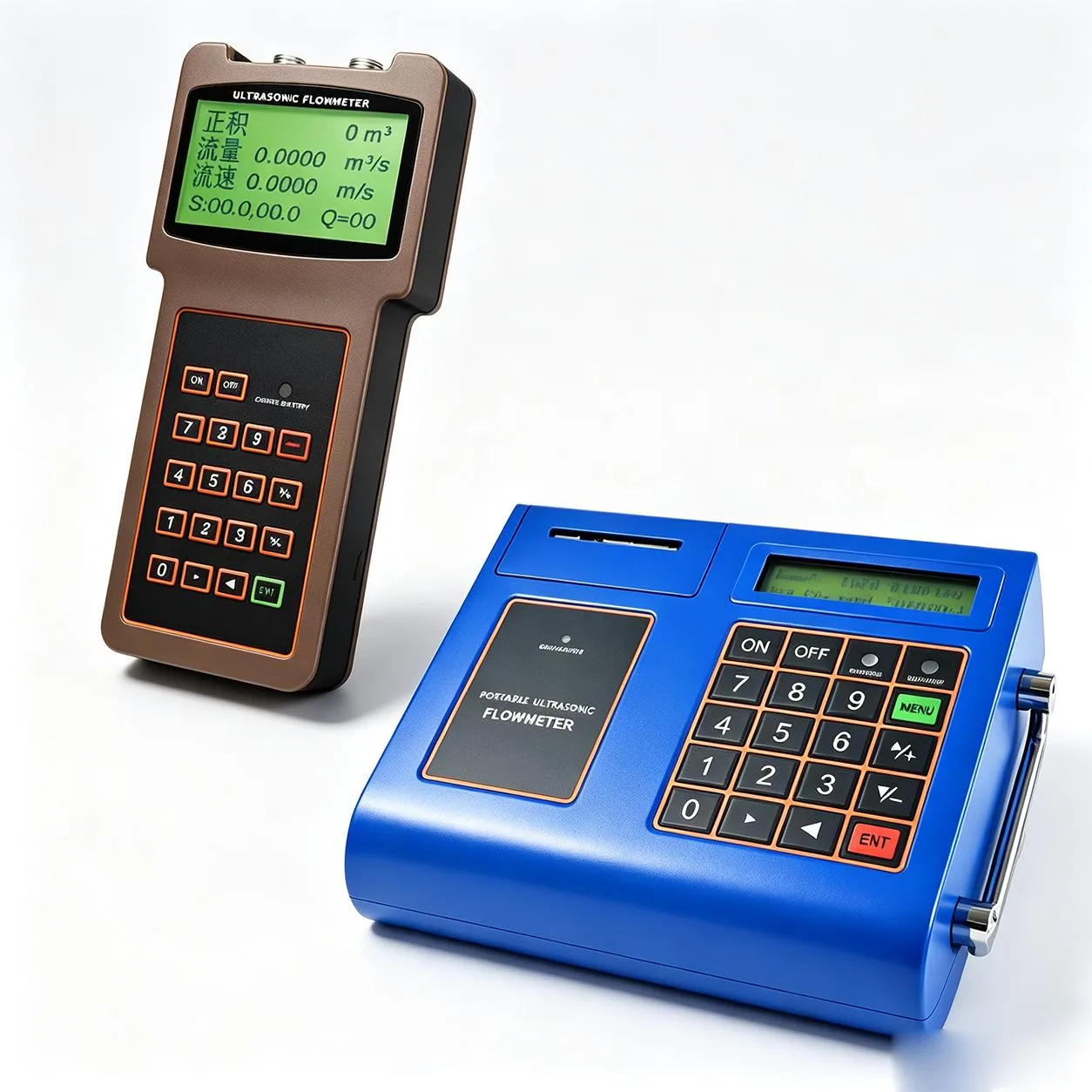
TYCK FLOW U210 Ultrasonic Flow Meter

Ultrasonic Flow Meter with configuration-specific range, connection, material and output options

  • Platform modelU210
  • Measuring mediumhomogeneous liquid, non-conductive liquid

Process and utility lines when fluid properties match the selected measurement principle.

Documents Request quote

Flow Meter

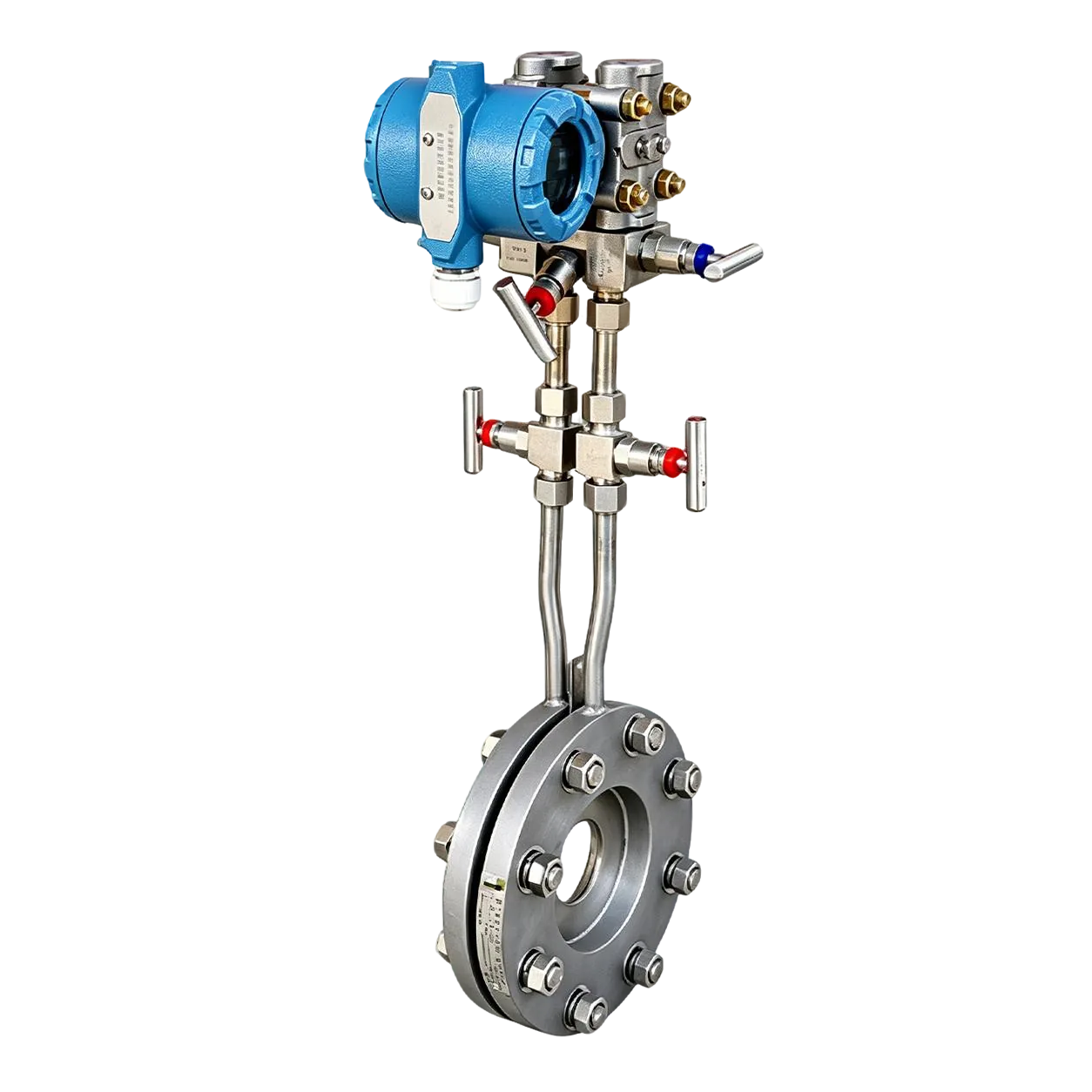
TYCK FLOW O310 Differential Pressure Primary Elements

Differential Pressure Primary Elements with configuration-specific range, connection, material and output options

  • Platform modelO310
  • Measuring mediasteam, gas and liquid

Process and utility lines when fluid properties match the selected measurement principle.

Documents Request quote

Engineering Selection Guide

Frequently asked questions

Why does a flow RFQ need three flow rates?

Minimum, normal and maximum flow allow sizing against low-end sensitivity, normal operating velocity, upper limits and pressure loss. Add start-up, flushing and seasonal cases if they differ. A nominal pipe size does not reveal the usable measuring range. The supplier should show the proposed size and configuration against the submitted operating points and identify any case that falls outside the documented operating envelope.

Can the existing pipe diameter be used as the meter size?

Sometimes, but it should not be assumed. Flow velocity, pressure loss, usable range and installation constraints may favour another meter bore with reducers, or may rule out that approach. Provide the real internal diameter, schedule, liner and flow envelope. Any reduction must also be reviewed for hydraulic effect, straight runs and the process's tolerance for added pressure loss.

What must be defined for steam or gas flow?

Identify composition, dryness or moisture concerns, operating and reference pressure and temperature, desired actual or standard units, and where compensation will occur. Include pipe data and flow envelope. The proposed system may require pressure and temperature inputs in addition to the primary meter. Do not compare outputs or totals until both parties use the same base conditions and calculation method.