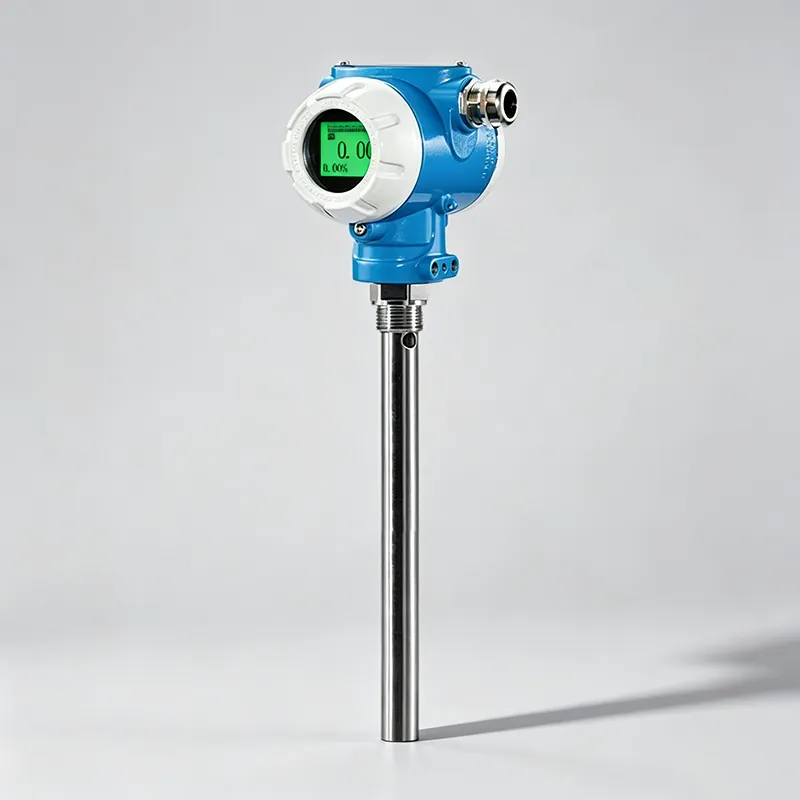
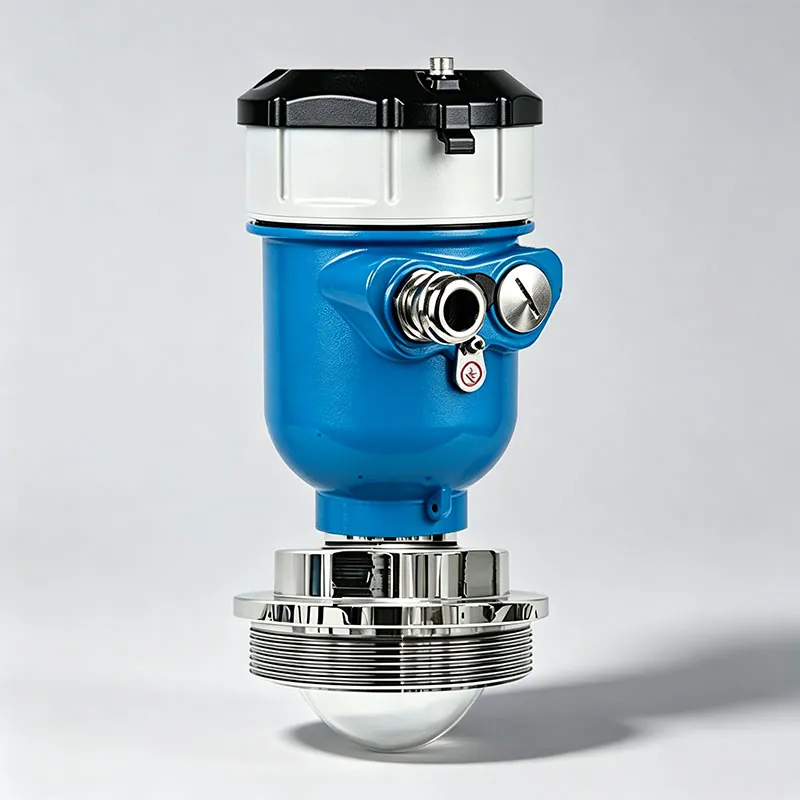
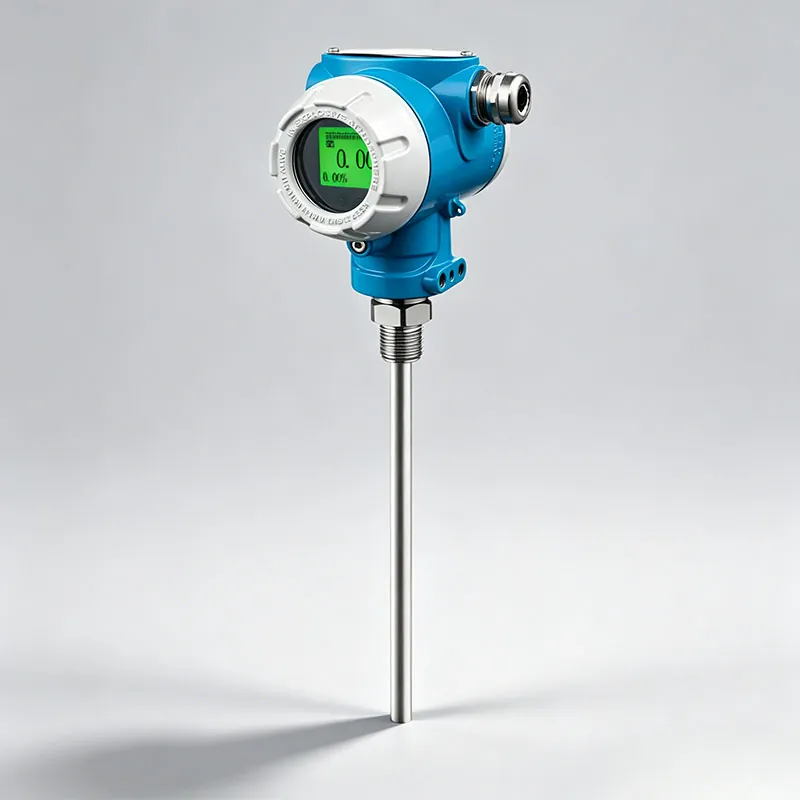
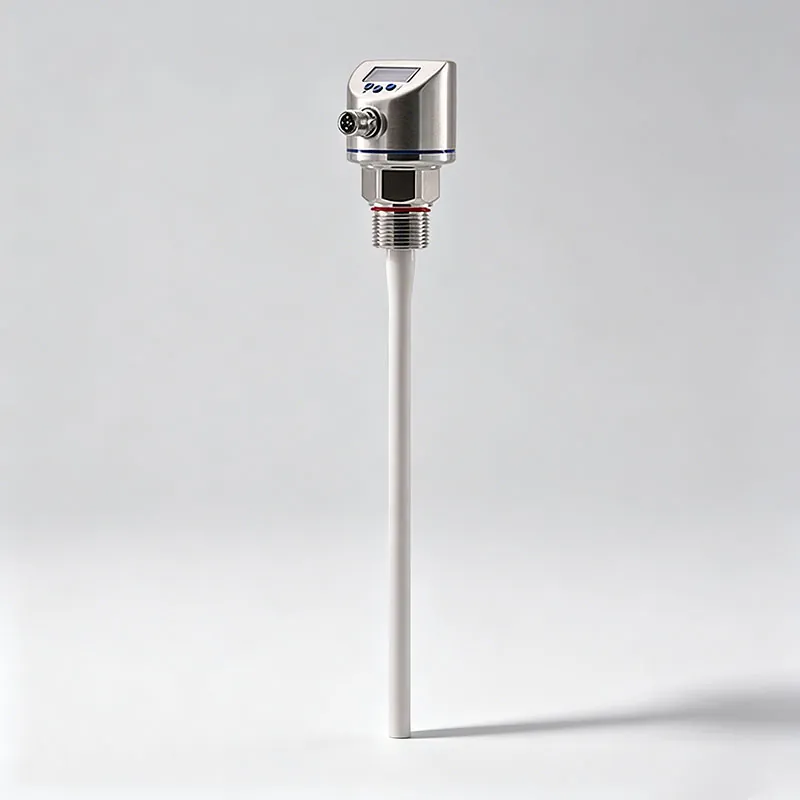
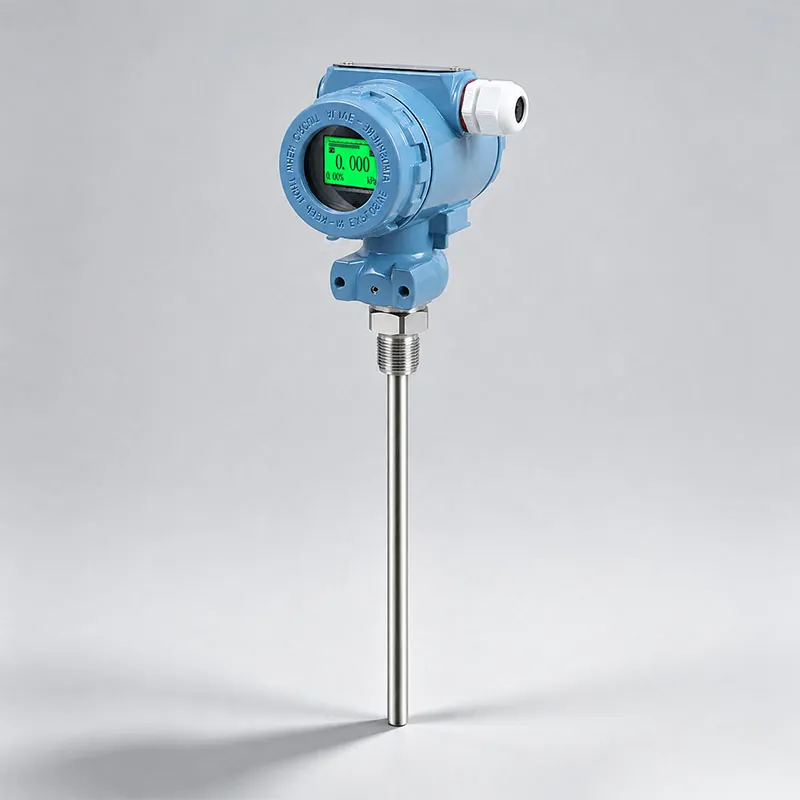
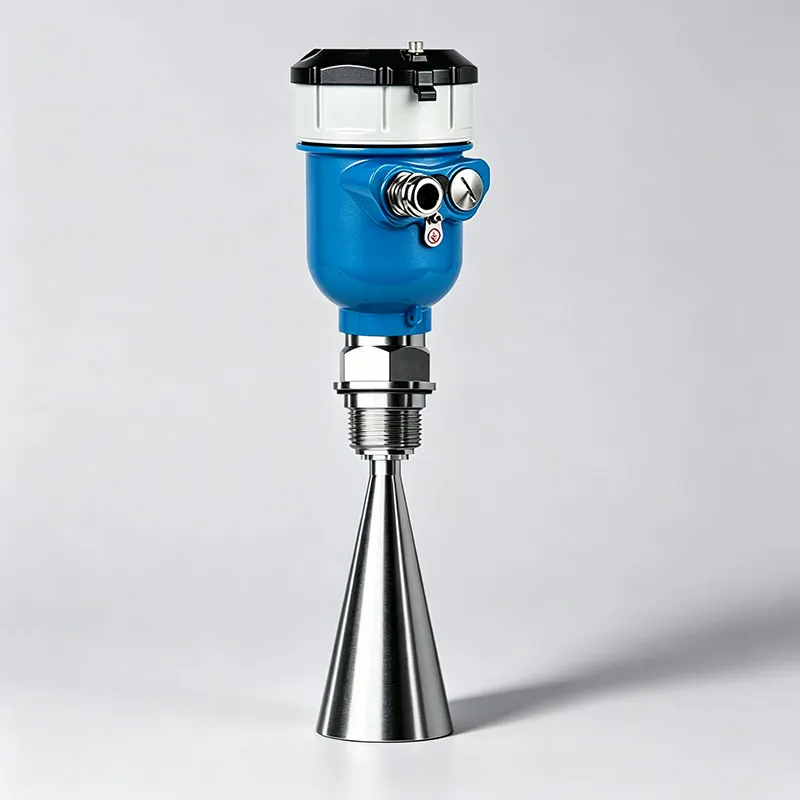
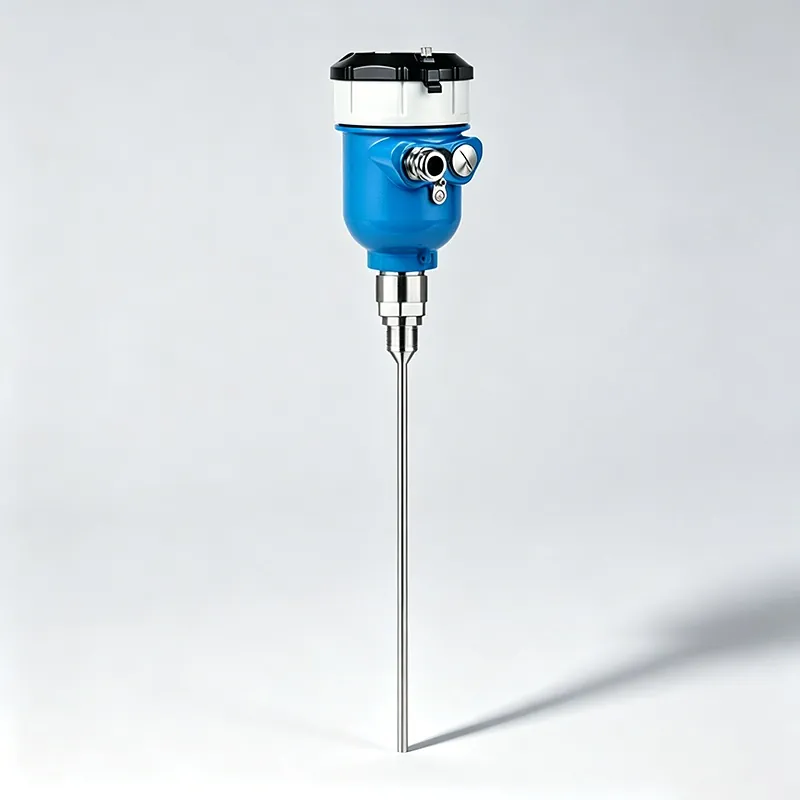
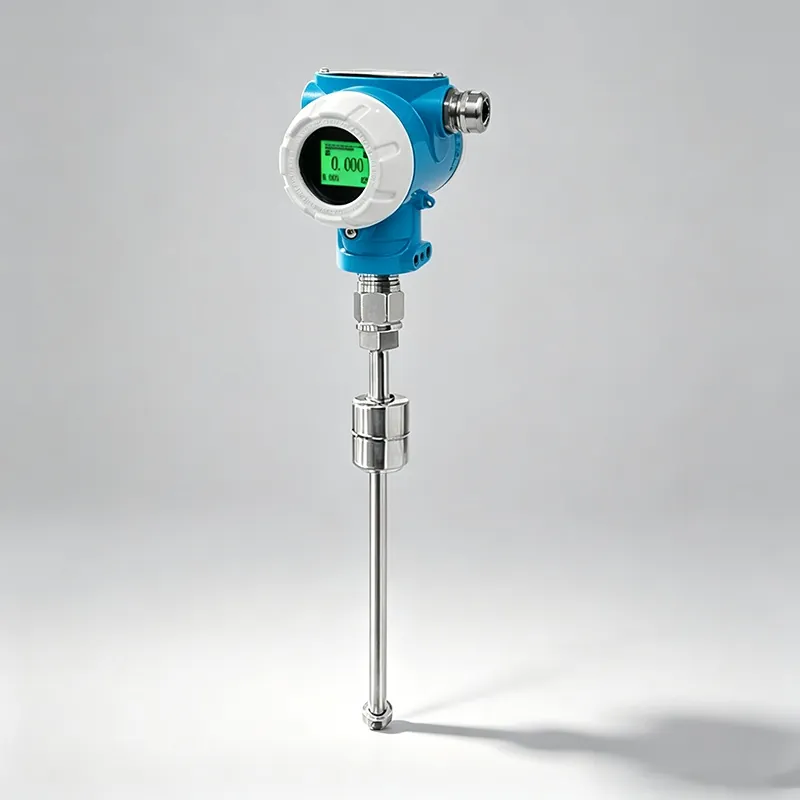
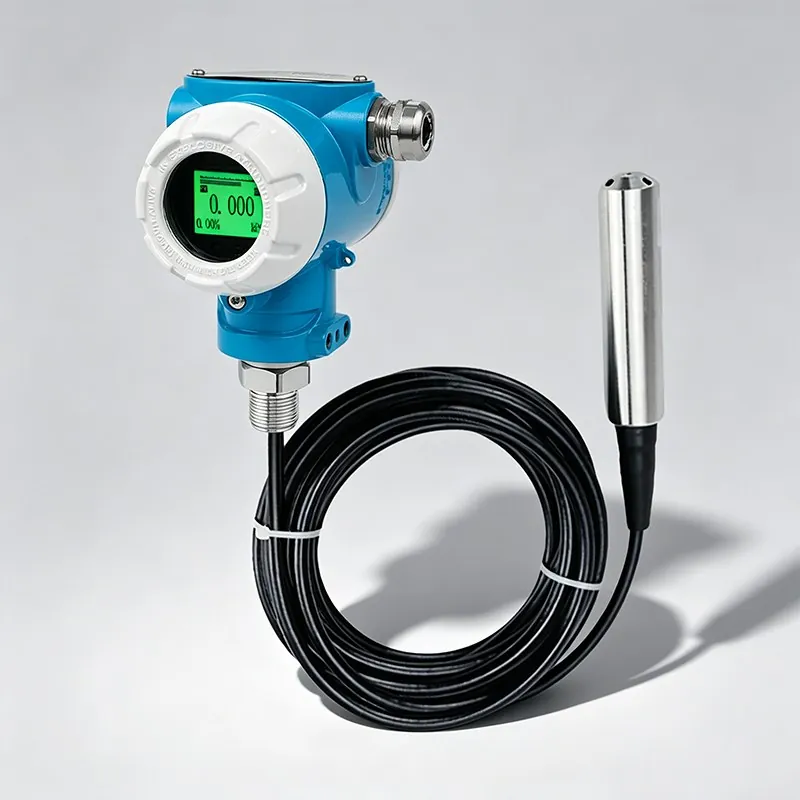
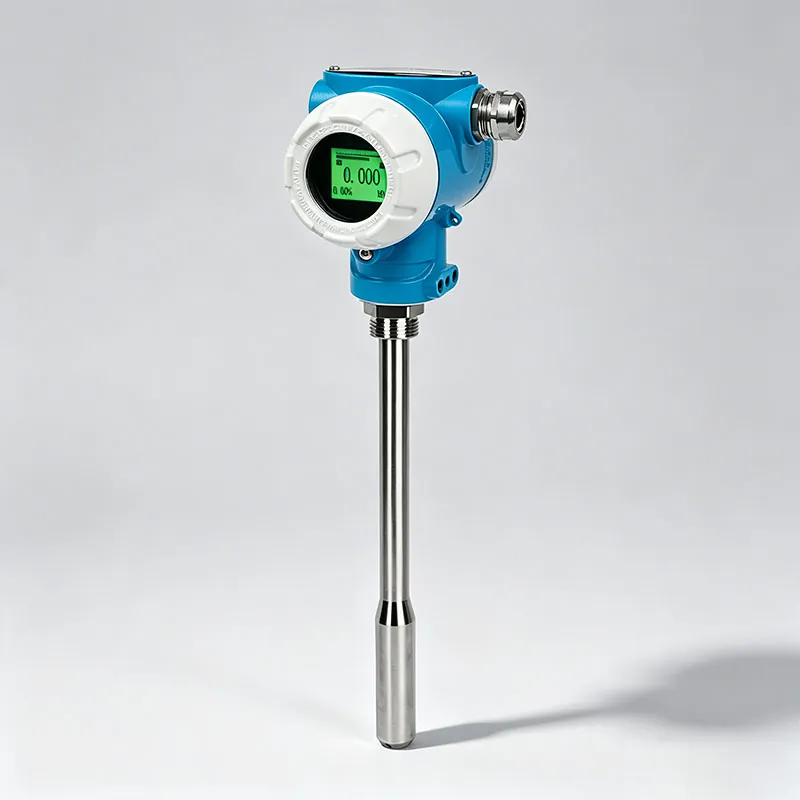
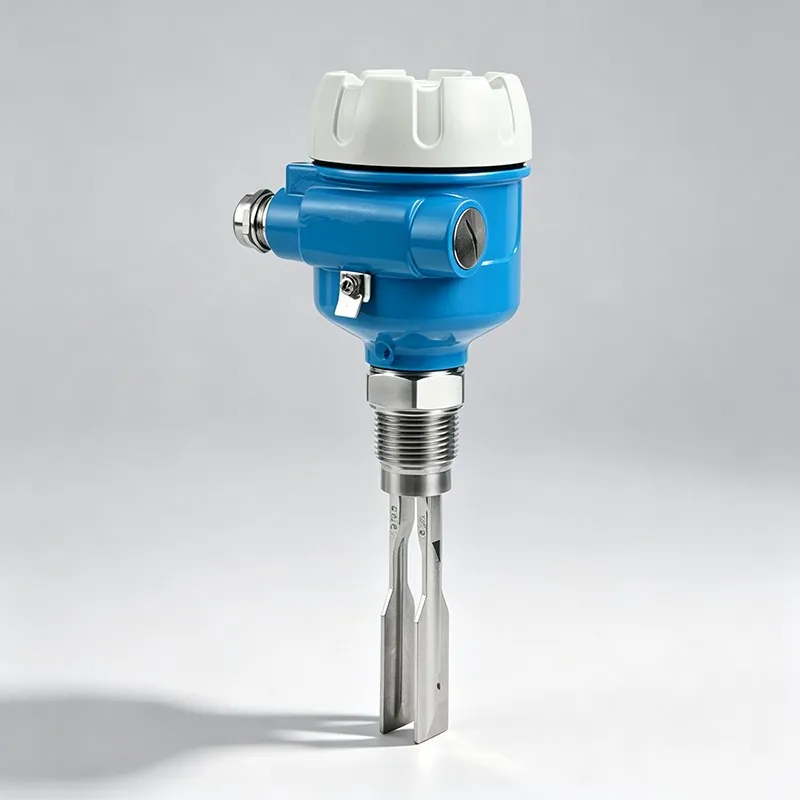
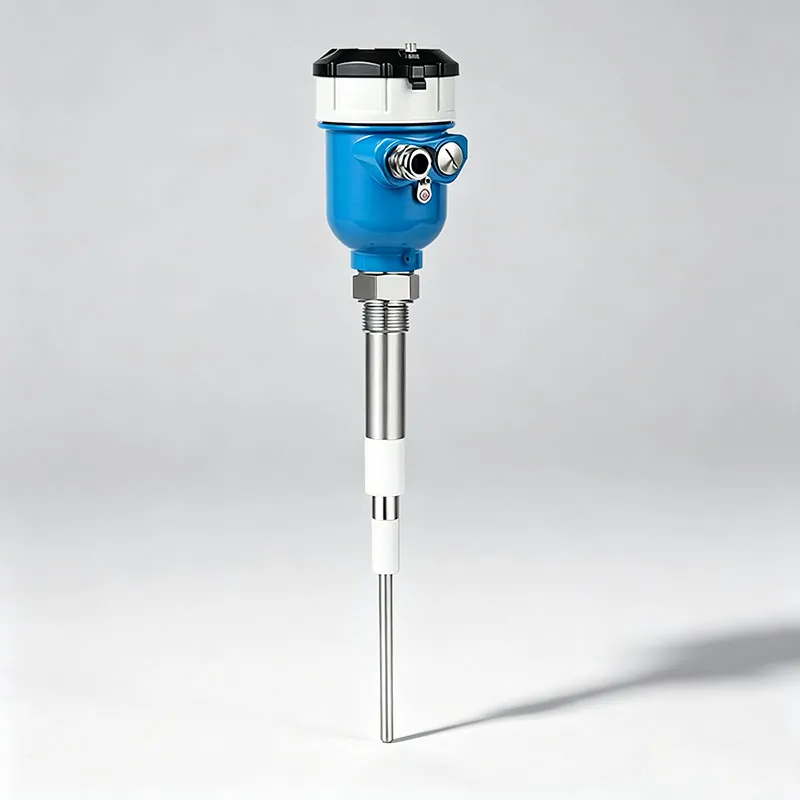
Level measurement is a vessel-and-medium problem before it is a sensor problem. The same vessel may need continuous inventory, a high alarm, a low pump-protection point or an interface between two liquids. Those tasks can justify different instruments even when they share a nozzle. Begin by defining what the measured level means, the required response and the consequences of a missed or false indication. Then record vessel height, measuring span, nozzle dimensions, internal structures, agitation and the accessible mounting positions.
Liquid and bulk-solid behaviour narrows the available principles. Hydrostatic measurement responds to liquid head and therefore depends on density. Float and displacer devices interact mechanically with the medium. Capacitance and guided-wave methods depend on probe condition and electrical properties. Free-space radar follows an echo path that can be affected by the nozzle, beam obstructions, weak reflections or buildup. Solids add dust, repose angle, abrasion, bridging and impact loads. Foam, vapour, condensation and coating should be described as operating conditions, not treated as minor afterthoughts.
A selection review also needs the full process envelope: pressure, temperature, vacuum, filling and emptying rates, cleaning cycles, hazardous-area classification and the material compatibility of every wetted part. For an open tank, atmosphere may be the reference; for a closed pressurised vessel, vapour pressure may need compensation or a principle that does not respond to it. When level is converted to volume, tank geometry and strapping data are a separate calculation and should not be confused with the sensor's distance or level reading.
The products below cover continuous transmitters and point switches, but a category page cannot prove that every option suits every vessel. Provide a sketch or drawing where possible, including nozzle, internals and expected low and high levels. Ask for the selected SKU's process limits, blind or dead zones, connection, materials, output, environmental protection and relevant certificate. If a performance value or approval is not published for that code, keep it as an open engineering item until written evidence is supplied.