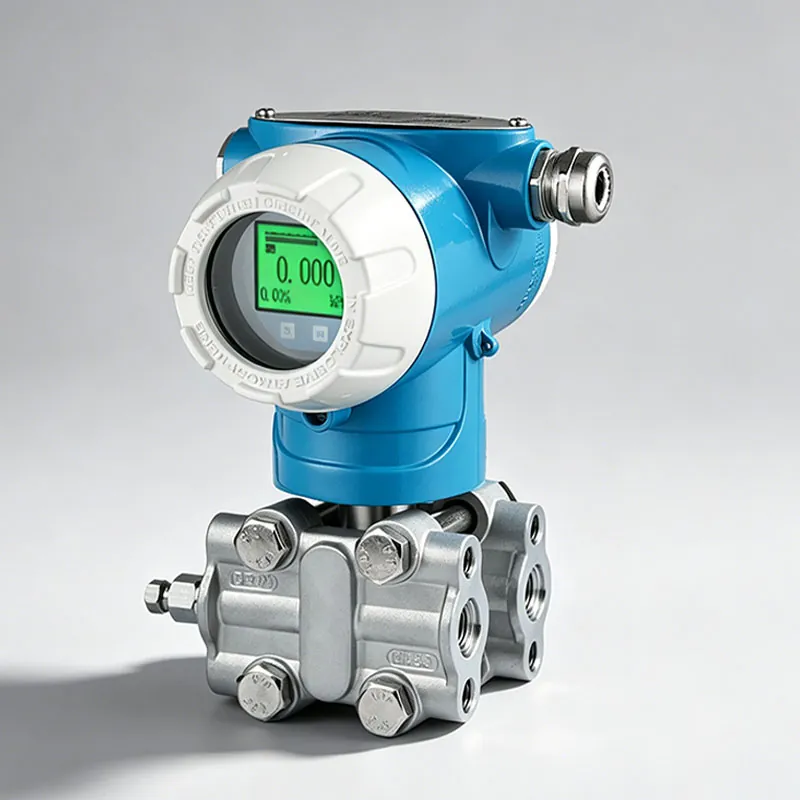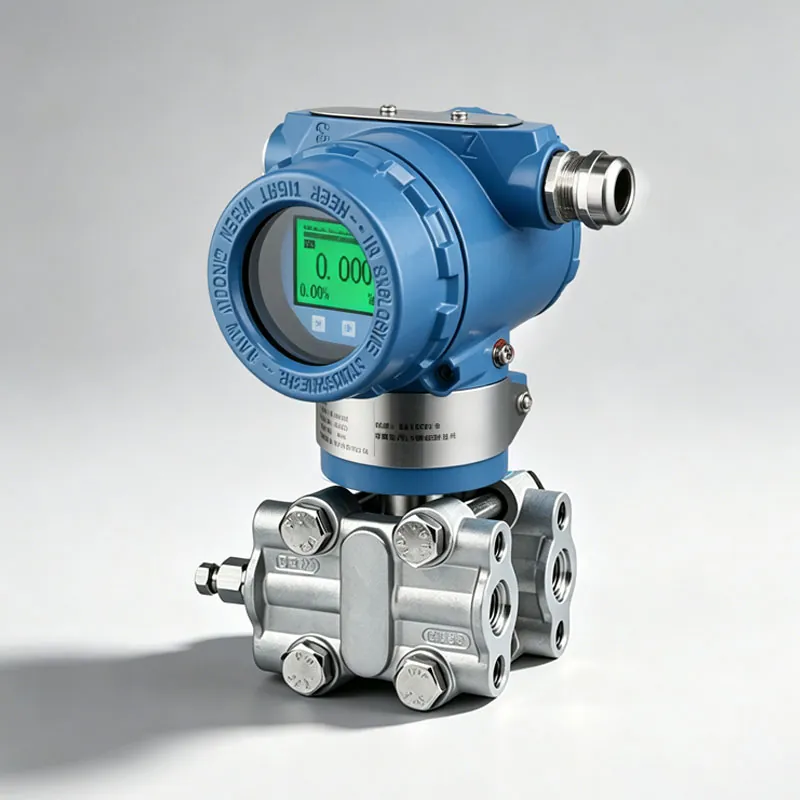
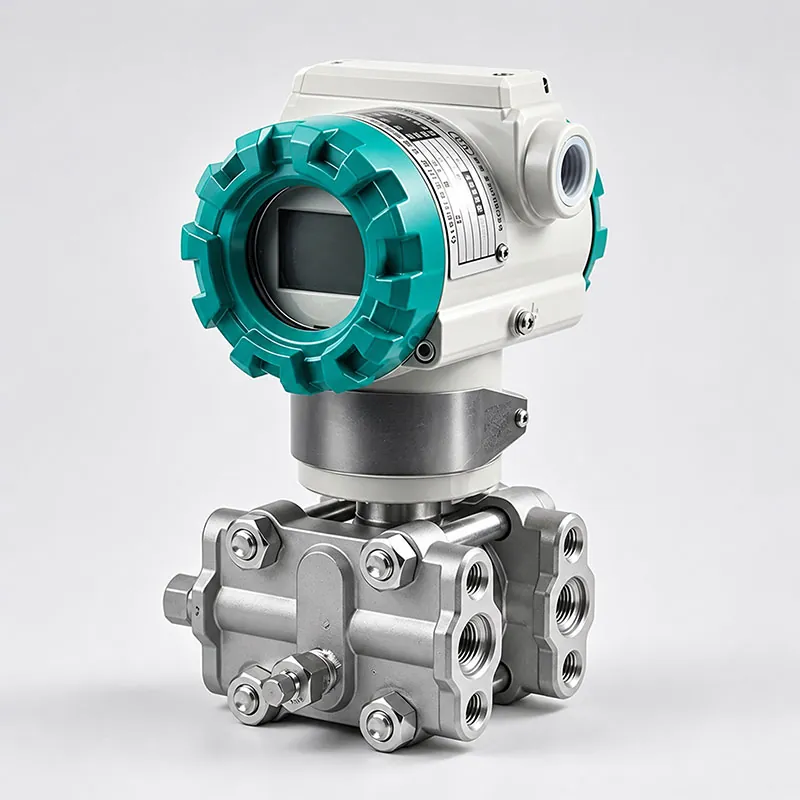
A single accuracy percentage rarely describes the uncertainty of an installed pressure loop. Terms, reference conditions, span and time interval must be compared on the same basis. Use only values documented for the exact TYCK model and selected configuration.
Key terms
| Term | Engineering meaning |
|---|---|
| Reference accuracy | A specified error contribution under stated reference conditions; check which effects are included. |
| Turndown / ranged span | The configured span relative to the sensor range; performance may change at smaller spans. |
| Temperature effect | Change caused by ambient or process temperature across a stated interval. |
| Static-pressure effect | For differential pressure, error caused by common line pressure. |
| Long-term stability | Change over a stated time under stated conditions; it is not the same as reference accuracy. |
| Total performance | A defined combination of error components; the formula and included conditions must be stated. |
A simple comparison method
Suppose a design review identifies separate documented contributions for reference accuracy, temperature and installation. Do not simply choose the smallest headline number. First convert every contribution to the same unit and basis. If the approved engineering method treats independent components by root-sum-square, the combined value is the square root of the sum of their squares. If dependence is unknown or the project requires a conservative limit, use the project’s stated worst-case method. The method and inputs matter more than a generic example result.
Questions for a datasheet or quotation
- Is the percentage based on calibrated span, URL, reading or full scale?
- Which linearity, hysteresis and repeatability terms are included?
- What are the reference temperature, supply, mounting and pressure conditions?
- How do temperature, static pressure, remote seals and capillaries change performance?
- What time interval and conditions apply to stability?
- Does the selected SKU and firmware/configuration carry the quoted values?
Installation still matters
Impulse lines, orientation, zero elevation/suppression, vibration, pulsation, heat and grounding can create errors outside a sensor accuracy line. Record the full operating envelope and installation so the selected transmitter, accessories and commissioning procedure can be reviewed as one measurement system.