OCEAN

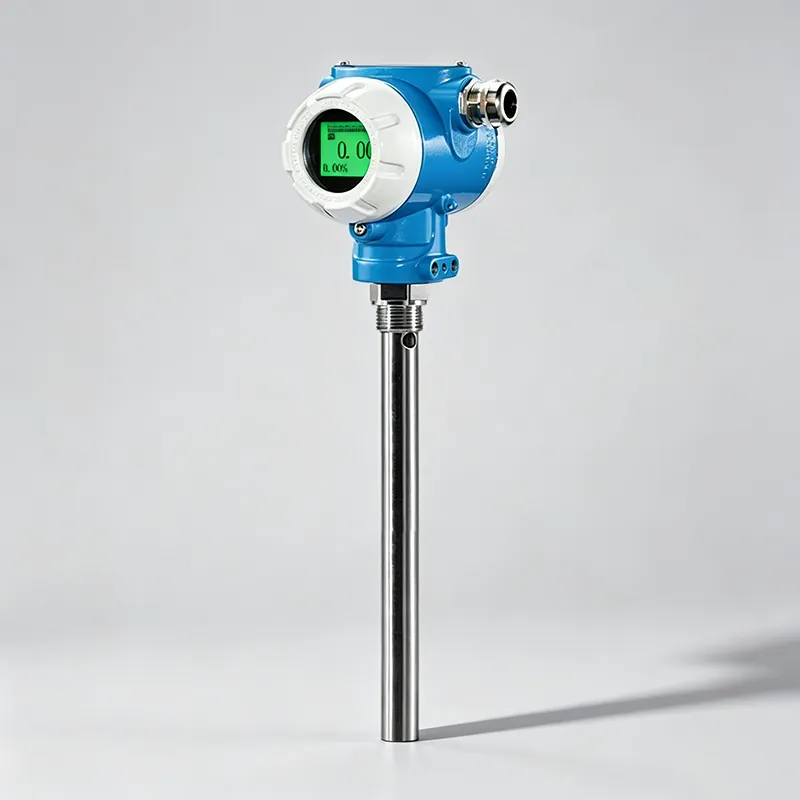
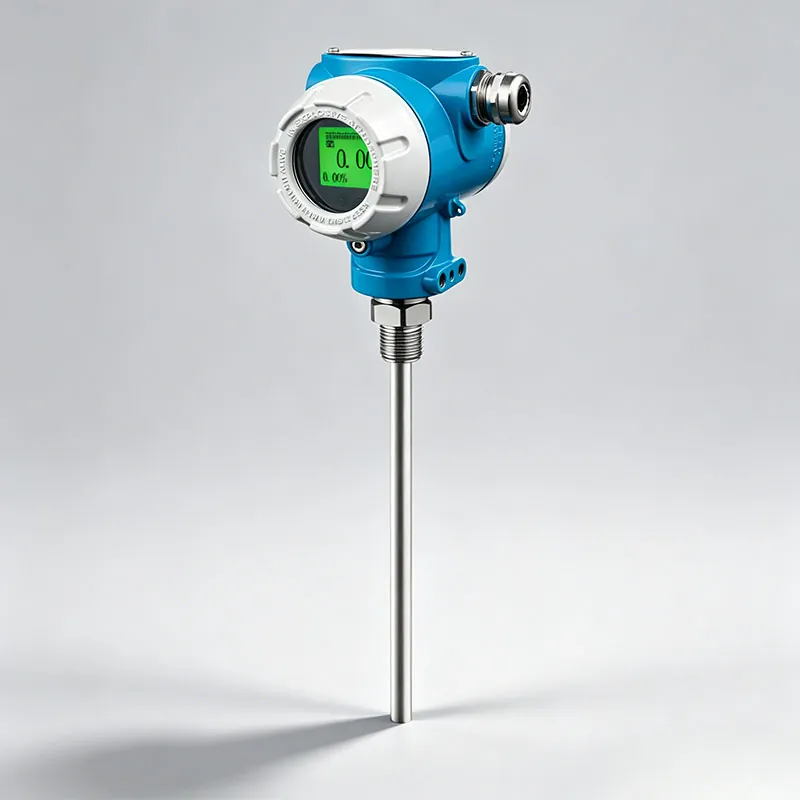
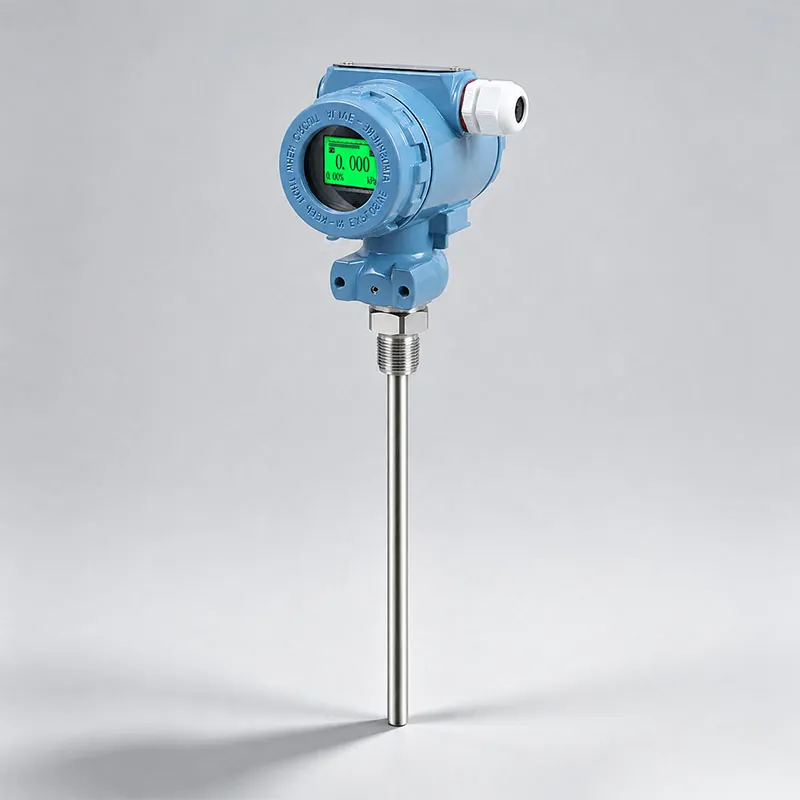
TYCK OCEAN H220 Rod-Type Hydrostatic Level Transmitter

Rod-Type Hydrostatic Level Transmitter with configuration-specific range, connection, material and output options

Level Transmitter

TYCK OCEAN H220 Rod-Type Hydrostatic Level Transmitter

Rod-Type Hydrostatic Level Transmitter with configuration-specific range, connection, material and output options

SKU

Model Selection

1 configurations

Selecting a SKU updates the product image and specifications.

Selected Model

Standard modelH220-158-01
Construction / version
Standard model
Legacy model
APT350
Platform model
H220

Product Overview

Product Description

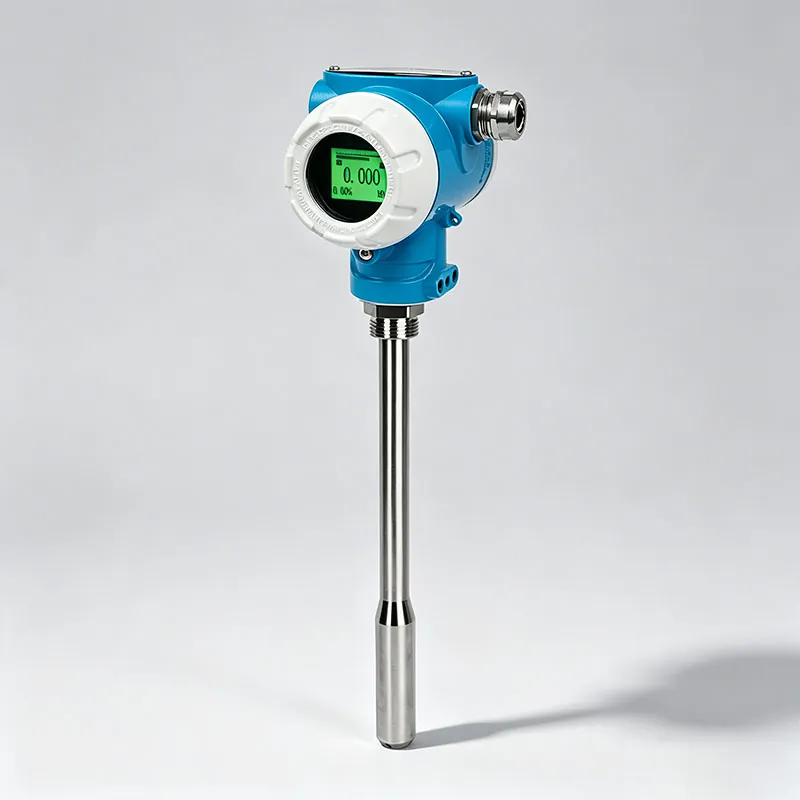
TYCK OCEAN H220 Rod-Type Hydrostatic Level Transmitter is a configurable rod-Type Hydrostatic Level Transmitter for continuous level or interface measurement. Measuring range, process connection, wetted materials, output, environmental limits and approvals depend on the selected configuration and must be confirmed in the TYCK quotation and order documents.

Engineering focus: For the H220 rod-type hydrostatic transmitter, specify sensing position, rod and insertion length, tank connection, liquid density correction and how the assembly is mounted and removed.

This page separates the product identity from order-specific performance claims. Use the published SKU matrix as a starting point, then provide the operating data listed below. Values that are absent from the current technical record are treated as pending confirmation rather than inferred from another manufacturer.

TYCK and the model designation identify this product only. References used for information architecture or terminology do not imply manufacture by, affiliation with, or performance equivalence to any third-party brand.

Technical Data

Technical Parameters

Platform model
H220 (double standard transition)
Old model
APT350
Measuring principle
static pressure type
Installation
pole type

EVIDENCE-SAFE SUMMARY

Verified Highlights

Only catalogue identity and published configuration status are asserted here; order-specific values require matching technical documents.

  • Product identity: TYCK OCEAN H220 Rod-Type Hydrostatic Level Transmitter.
  • Engineering focus: For the H220 rod-type hydrostatic transmitter, specify sensing position, rod and insertion length, tank connection, liquid density correction and how the assembly is mounted and removed.
  • Published configurations on this page: 1.
  • Range, materials, output and approvals are confirmed against the selected SKU before order acceptance.
  • Unlisted values are marked for confirmation and are not copied from competitor literature.

APPLICATION REVIEW

Applications and Operating Limits

Typical applications

  • Continuous liquid level or interface measurement after the medium and sensing principle are reviewed.
  • Storage and process vessels after geometry, mounting, dead zones and process conditions are documented.
  • Inventory or control-system indication using a confirmed continuous output and calibrated measuring span.

Limitations / confirm before use

  • This is a continuous-measurement family; it does not provide a discrete switching or safety-interlock function unless separately documented.
  • Medium properties, buildup, vessel geometry, installation and process conditions can affect suitability and measurement quality.

RFQ INPUTS

Information Required for Selection

Send these operating details with the product ID and selected SKU so the quotation can be checked against the application.

  1. Measured medium
  2. Operating and design range
  3. Process and ambient temperature
  4. Process pressure
  5. Process connection
  6. Wetted materials
  7. Output and power supply
  8. Area classification or required certificate
  9. Quantity and required documents
  10. Continuous measuring span and required output
  11. Vessel geometry, mounting, obstructions, foam, vapour, dust, buildup and dielectric properties

CONFIGURATION IDENTITY

Model Code and Configuration Guide

The base model identifies the published product family. An order code identifies a listed SKU only; it does not prove unlisted options, approvals or performance. Confirm the selected code against the quotation and controlled technical documents.

Base model
H220
Catalogue product ID
158

Published order codes

  • H220-158-01

Published configuration fields

  • Construction / version
  • Legacy model
  • Platform model

Only the values printed beside a published SKU are represented here. Blank or unlisted combinations must be confirmed rather than inferred.

FIELD VERIFICATION

Installation, Wiring and Commissioning Checks

This is a pre-commissioning verification checklist, not a substitute for the configuration-specific manual, drawing, certificate or site procedure. Stop and obtain the matching controlled document if any item is unclear or inconsistent.

Before installation

  1. Match the product identity, nameplate, selected SKU and order documents before work begins.
  2. Check the confirmed medium, range, process temperature and pressure, connection, wetted materials, mounting location and environmental conditions.

Before wiring

  1. Use only the terminal assignment, supply limits, output type, grounding and cable requirements in the document issued for the supplied configuration.
  2. For a hazardous-area installation, verify the exact Ex marking, certificate scope, barriers and local installation requirements before energizing.

Before commissioning

  1. Commission in a safe process state and verify the configured range, units, zero/reference condition and expected loop or digital output.
  2. Record the product identity, serial or order reference, configuration, checks performed and the controlled-document revision used.

PUBLISHED SKU DIFFERENCES

Same-family SKU Differences

This comparison uses only the normalized SKU fields already published on this page. It is a shortlist aid, not an authorization to combine options or a replacement for the final order review.

A comparable same-family SKU matrix is not published on this page. Request the exact order code and matching technical documents for the intended configuration.

DOCUMENT CONTROL

Model Code and Technical Documents

Model codes, datasheets, manuals, certificates and dimensional or wiring files must match the final configuration and revision. This page does not infer missing documents from similar products.

Base model
H220

Request configuration-specific documents View company certifications

Check certification documents against the exact listed model and configuration: Ex · SIL · CE / EMC ·

SKU Matrix

Available Models

1 configurations

SKU CodeModelSpecificationsUnit
H220-158-01Standard model
Construction / version
Standard model
Legacy model
APT350
Platform model
H220
piece

FAQ

Frequently Asked Questions

These answers support initial selection. Confirm final performance against the selected SKU and technical documents.

How do I select the correct TYCK OCEAN H220 Rod-Type Hydrostatic Level Transmitter configuration?

Provide the medium, operating and design conditions, measuring range, process connection, wetted materials, output, power supply, installation constraints, required approvals and quantity. TYCK can then match these inputs to a published SKU or flag a custom requirement. A model-family name alone is not sufficient to confirm performance or compatibility.

Are all specifications shown for TYCK OCEAN H220 Rod-Type Hydrostatic Level Transmitter valid for every SKU?

No. The page describes the product family and lists currently published SKU data. Range, accuracy, temperature limits, materials, enclosure and certificates can vary by option. The quotation, order code and referenced datasheet for the selected configuration are the controlling documents. Any missing value should be confirmed before design approval or purchase.

What application details are especially important for this level product?

Describe normal, minimum and maximum operating conditions as well as startup, cleaning and upset states. Include the medium properties, mechanical installation, electrical interface and any hazardous-area or hygiene requirement. This lets the technical review identify unsuitable conditions and prevents assumptions based on a visually similar third-party product.