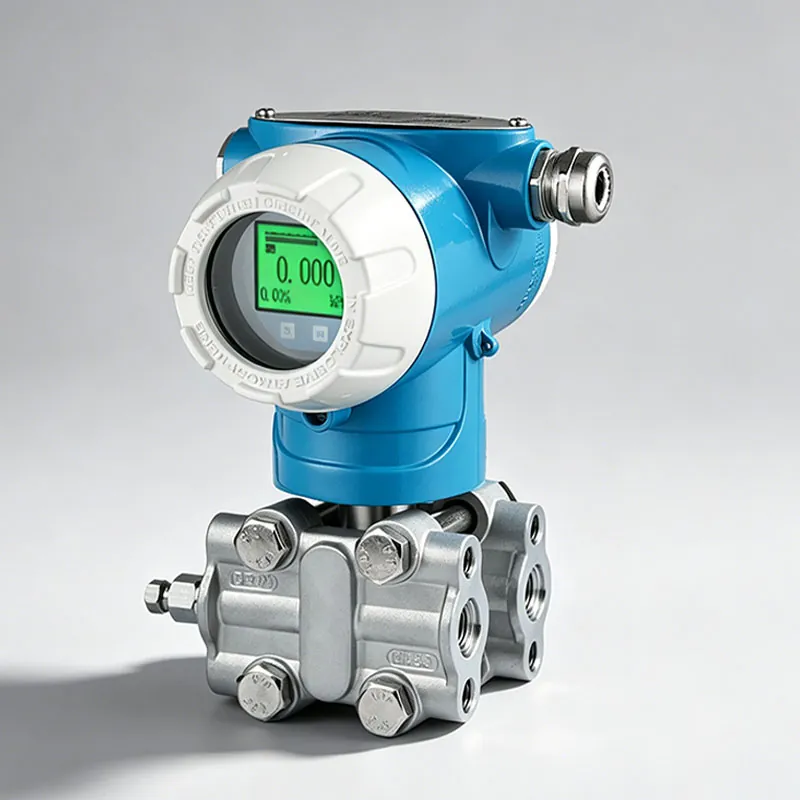
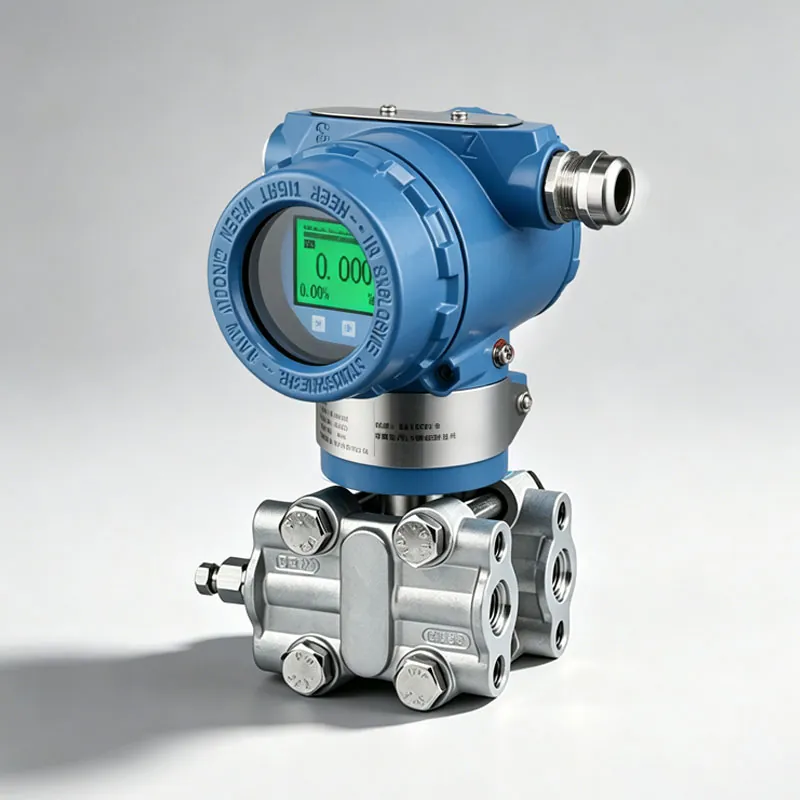
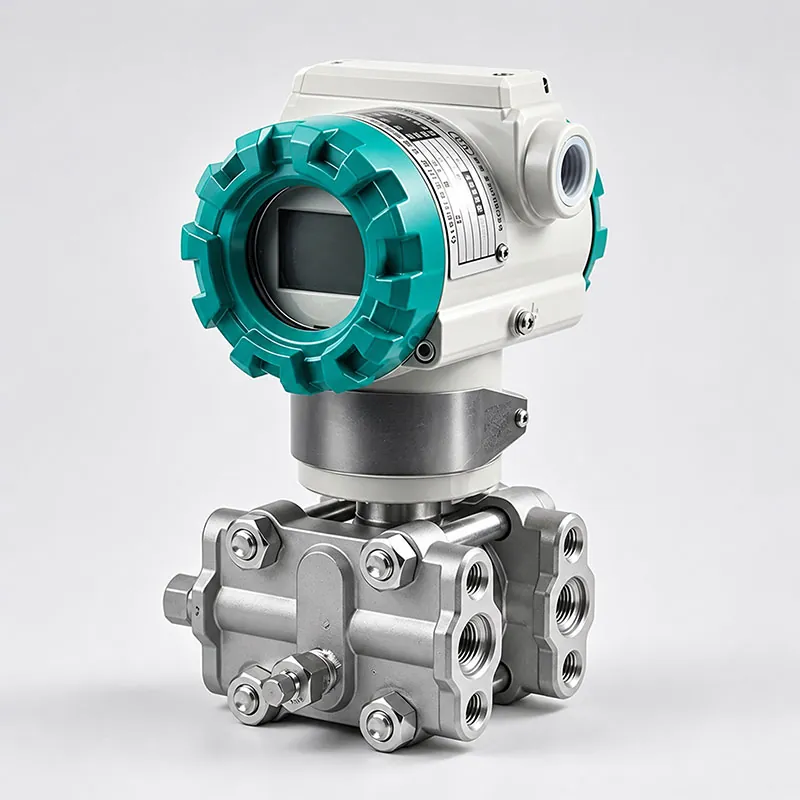
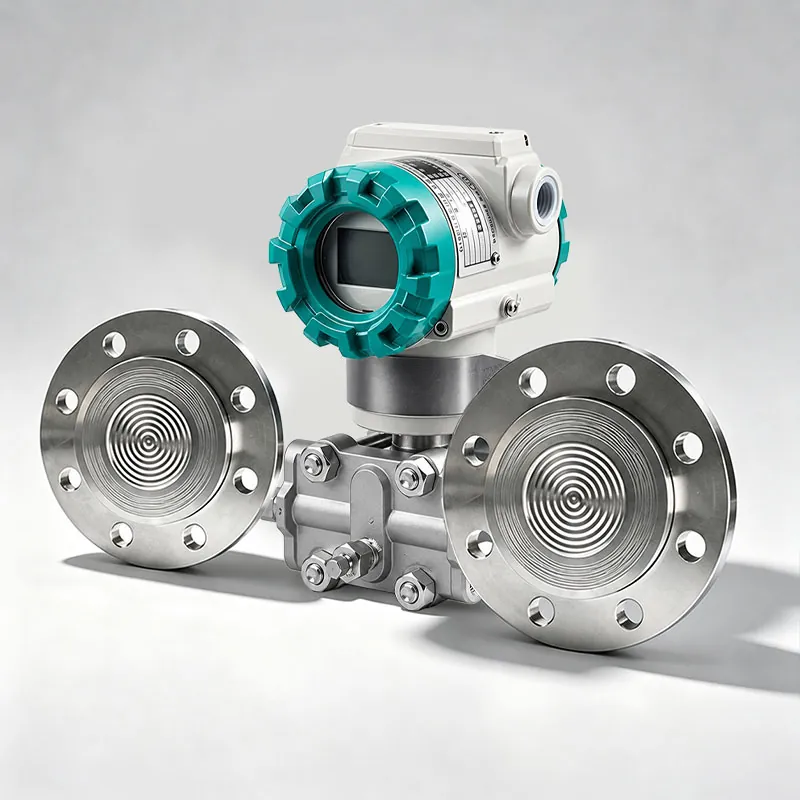
A differential-pressure transmitter measures the difference between high and low process connections while both sides may carry a much larger common static pressure. Those two quantities must be specified independently. Give the minimum, normal and maximum differential pressure, expected direction and any reverse pressure, together with maximum static line pressure. A small differential range does not imply that the process connections or sensing capsule can tolerate an unspecified static or one-sided overload condition.
The installation creates part of the measurement. Impulse-line length, bore, routing, slope, fill and temperature should be considered on both sides. Trapped gas in liquid service, trapped liquid in gas service, plugged lines and unequal ambient heating can create an apparent differential pressure. The manifold arrangement defines isolation, equalisation and venting during commissioning. Mounting elevation can shift zero, especially in level applications or with filled remote-seal systems, so expected elevation or suppression should be stated before range configuration.
In primary-element flow, the transmitter is only one component. The orifice, nozzle, venturi or other element, tapping arrangement, fluid properties and square-root calculation establish the relationship between differential pressure and flow. In a closed tank, liquid density, vapour-space connection and reference-leg condition affect inferred level. In filter monitoring, normal clean and dirty differentials and possible reverse flow matter. Each application needs its own engineering calculation rather than a generic conversion printed on a category page.
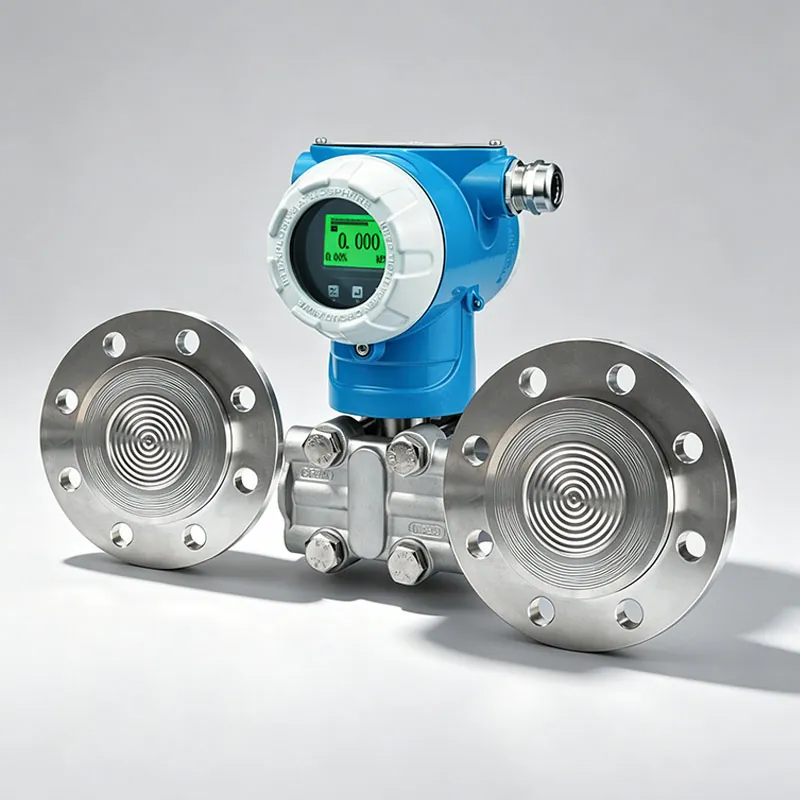
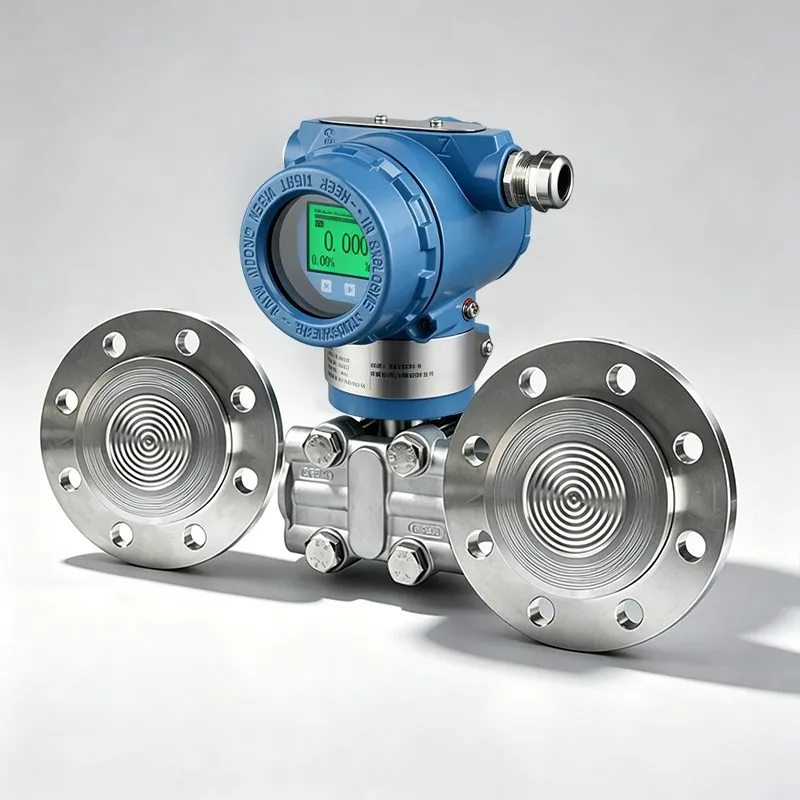
The TYCK families below can be screened by differential range, static rating, wetted construction, connection and output. Request the proposed SKU's span performance, overpressure rules, materials, manifold or seal arrangement and current certificates. Include a process diagram and mounting sketch in the RFQ. If remote seals are proposed, identify diaphragm size, capillary length, fill fluid, elevation and ambient conditions on both sides so response and temperature effects can be reviewed as a matched system.