TYCK Product Matrix

Industrial Flow Meter Product Families

Browse TYCK industrial flow meter product families for liquids, gases and steam, then request sizing and configuration support for the selected application.

10 Product results

Engineering Selection Guide

Category overview

This category compares instrument families used to measure liquid, gas and steam flow. A meter name describes a principle, not a complete application. Electromagnetic, turbine, vortex, differential-pressure and ultrasonic methods respond to different fluid properties and installation conditions. Begin with a common process datasheet so every candidate is judged against the same minimum, normal and maximum flow, fluid composition, pressure, temperature, pipe and measurement objective.

For electromagnetic measurement, the liquid must provide suitable electrical conditions and the liner, electrodes and grounding arrangement must match the process. Turbine meters depend on a stable velocity profile and mechanical rotor or bearing conditions, so viscosity, cleanliness and maintenance are important. Vortex and differential-pressure systems rely on flow regime and can introduce pressure loss. Ultrasonic performance depends on acoustic path, transducer arrangement, pipe construction and fluid condition. None of these principles should inherit another principle's stated strengths or limitations.

Sizing is a calculation, not a visual match to flange diameter. Supply actual pipe internal diameter or schedule, orientation, available straight run, nearby elbows, valves, pumps or reducers and allowable pressure loss. State whether the pipe remains full and whether bubbles, solids, flashing or multiphase conditions occur. For gas and steam, define reference conditions and compensation inputs. For batch or totalisation duty, include expected run duration, response and how the control system handles pulses or digital totals.

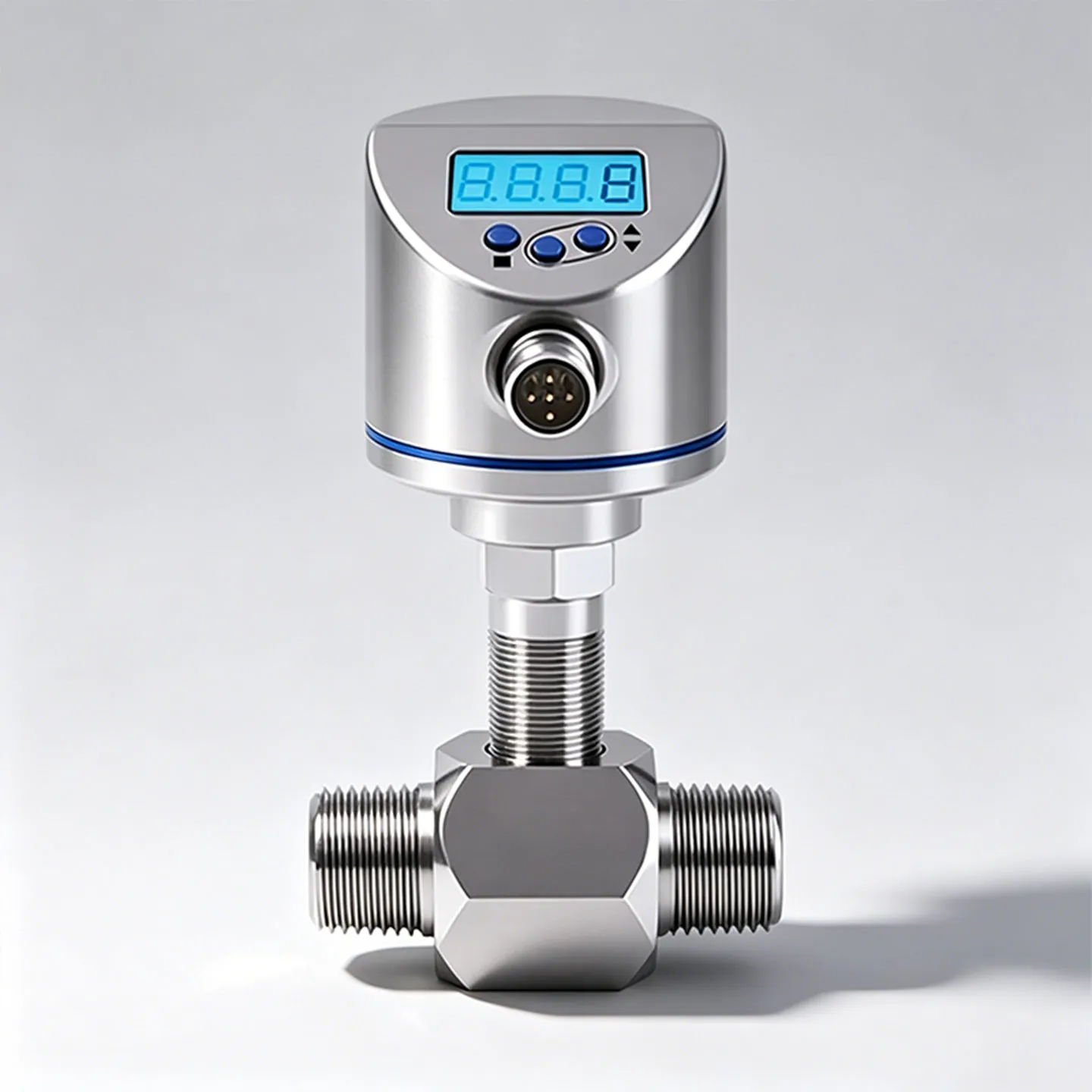
Use the TYCK flow-meter cards below to identify candidate families and published configurations. The final offer should name meter size, wetted materials, process connection, output, power, display, pressure and temperature limits, installation requirements and calibration documentation. Ask for a sizing sheet using the submitted process data. If custody, billing, legal-metrology or regulated emissions use is intended, state it explicitly and require the exact approval and uncertainty basis; a general product page does not establish that suitability.

Selection factors

Principle fit
Compare electromagnetic, turbine, vortex, differential-pressure and ultrasonic technologies against phase, conductivity, viscosity, density, solids, bubbles, Reynolds-number behaviour and acoustic conditions rather than selecting from size alone.
Sizing inputs
Provide minimum, normal and maximum flow, pressure and temperature, fluid composition, pipe internal diameter or schedule and required pressure-loss limit. Include transient, flushing and low-load cases.
Installation profile
Map orientation, full-pipe condition, grounding, upstream and downstream straight length, valves, elbows, reducers, pumps, vibration and maintenance clearance. Identify where compensation sensors or impulse lines would be installed.
Output and assurance
Define instantaneous flow, total, batch or energy output, units, pulse, analogue or communication interface, power, calibration documents and any legally controlled or contractual measurement requirement.

Typical applications

  • Water and wastewater measurement using a principle selected for conductivity, solids, pipe condition, grounding and installation access.
  • Process-liquid and chemical duties where liner, electrodes, seals, viscosity, cleanliness and material compatibility are documented.
  • Steam, compressed air, gas and utility monitoring with pressure and temperature references, compensation and installation effects defined.

Limitations and confirmation points

  • No flow-meter principle covers every phase, fluid property, turndown and installation. A valid selection is conditional on a complete process datasheet and sizing review.
  • Do not claim custody-transfer, trade, billing or regulatory suitability without model-, size- and jurisdiction-specific approvals, calibration and installation evidence.

Product Catalog

Flow Meter

10products

Compare Selected 0/4

Select at least two products to compare.

Flow Meter

TYCK FLOW T210 Liquid Turbine Flow Meter

Liquid Turbine Flow Meter with configuration-specific range, connection, material and output options

  • Platform modelT210
  • Measuring mediumclean low viscosity liquid

Process and utility lines when fluid properties match the selected measurement principle.

Documents Request quote
2 SKUs

Flow Meter

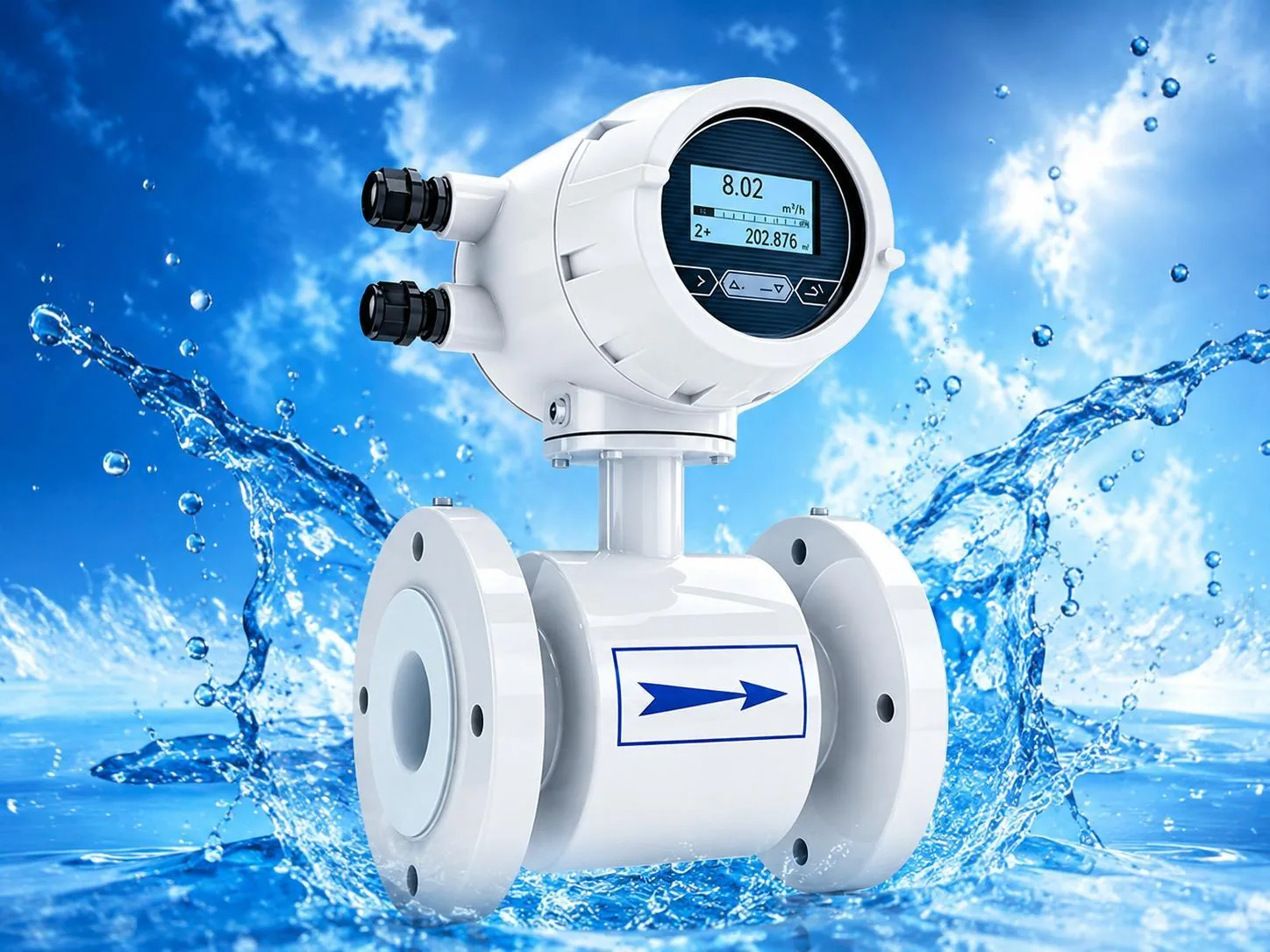
TYCK FLOW E210 Integrated Electromagnetic Flow Meter

Integrated Electromagnetic Flow Meter with configuration-specific range, connection, material and output options

  • Platform modelE210
  • Measuring mediumconductive liquid, such as clean water, sewage, acid-base salt solution and slurry

Process and utility lines when fluid properties match the selected measurement principle.

Documents Request quote

Flow Meter

TYCK FLOW E220 Remote Electromagnetic Flow Meter

Remote Electromagnetic Flow Meter with configuration-specific range, connection, material and output options

  • Platform modelE220
  • Measuring mediumconductive liquid

Process and utility lines when fluid properties match the selected measurement principle.

Documents Request quote

Flow Meter

TYCK FLOW E230 Insertion Electromagnetic Flow Meter

Insertion Electromagnetic Flow Meter with configuration-specific range, connection, material and output options

  • Platform modelE230
  • Measuring mediumconductive liquid

Process and utility lines when fluid properties match the selected measurement principle.

Documents Request quote

Flow Meter

TYCK FLOW E240 Battery-Powered Electromagnetic Flow Meter

Battery-Powered Electromagnetic Flow Meter with configuration-specific range, connection, material and output options

  • Platform modelE240
  • Measuring mediumconductive liquid

Process and utility lines when fluid properties match the selected measurement principle.

Documents Request quote

Flow Meter

TYCK FLOW E250 Hygienic Electromagnetic Flow Meter

Hygienic Electromagnetic Flow Meter with configuration-specific range, connection, material and output options

  • Platform modelE250
  • Measuring mediumconductive liquid

Process and utility lines when fluid properties match the selected measurement principle.

Documents Request quote

Flow Meter

TYCK FLOW E260 Corrosion-Resistant Electromagnetic Flow Meter

Corrosion-Resistant Electromagnetic Flow Meter with configuration-specific range, connection, material and output options

  • Platform modelE260
  • Measuring mediumacid, alkali and corrosive conductive medium

Process and utility lines when fluid properties match the selected measurement principle.

Documents Request quote

Flow Meter

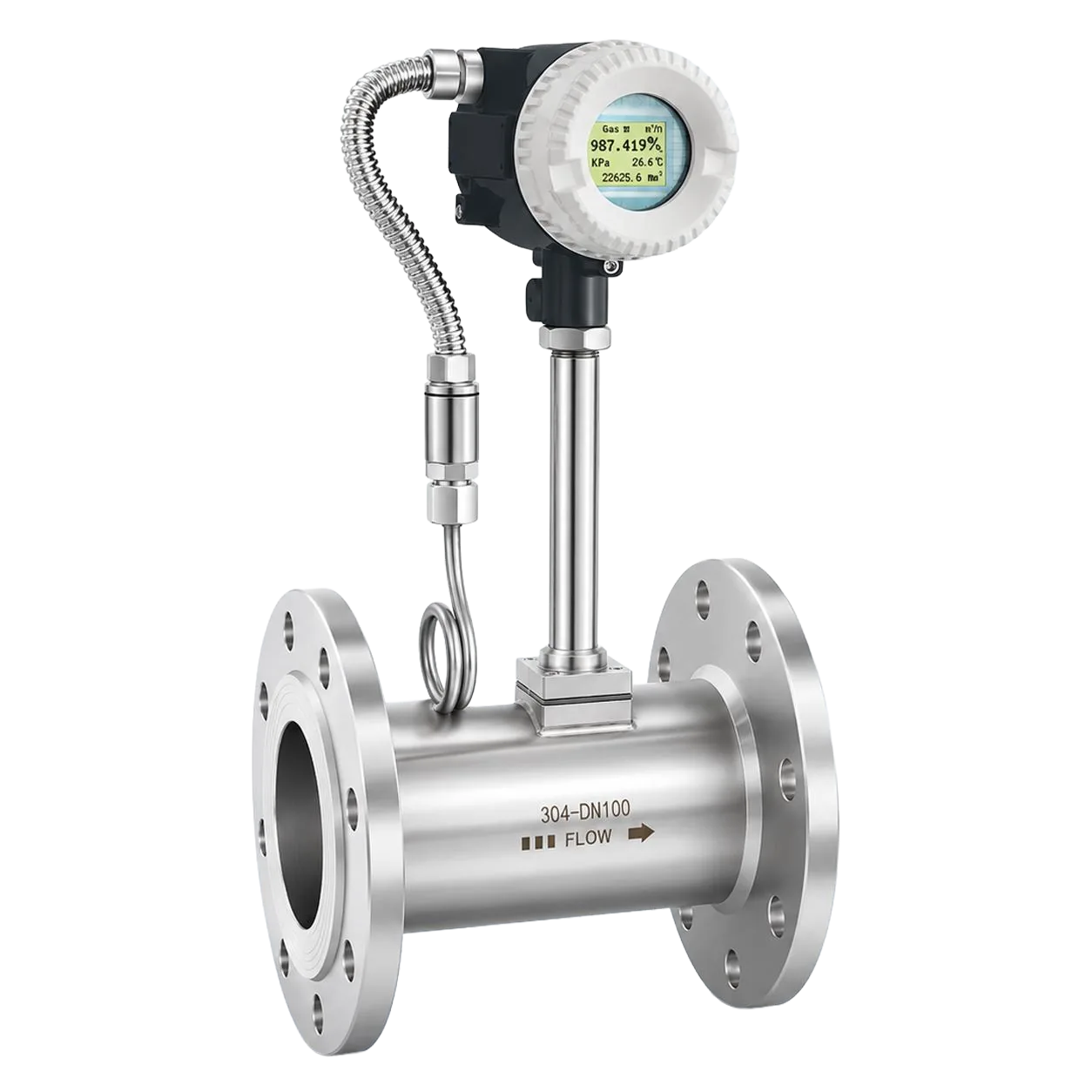
TYCK FLOW V210 Smart Vortex Flow Meter

Smart Vortex Flow Meter with configuration-specific range, connection, material and output options

  • Platform modelV210
  • Measuring mediumsteam, gas and low viscosity liquid

Process and utility lines when fluid properties match the selected measurement principle.

Documents Request quote

Flow Meter

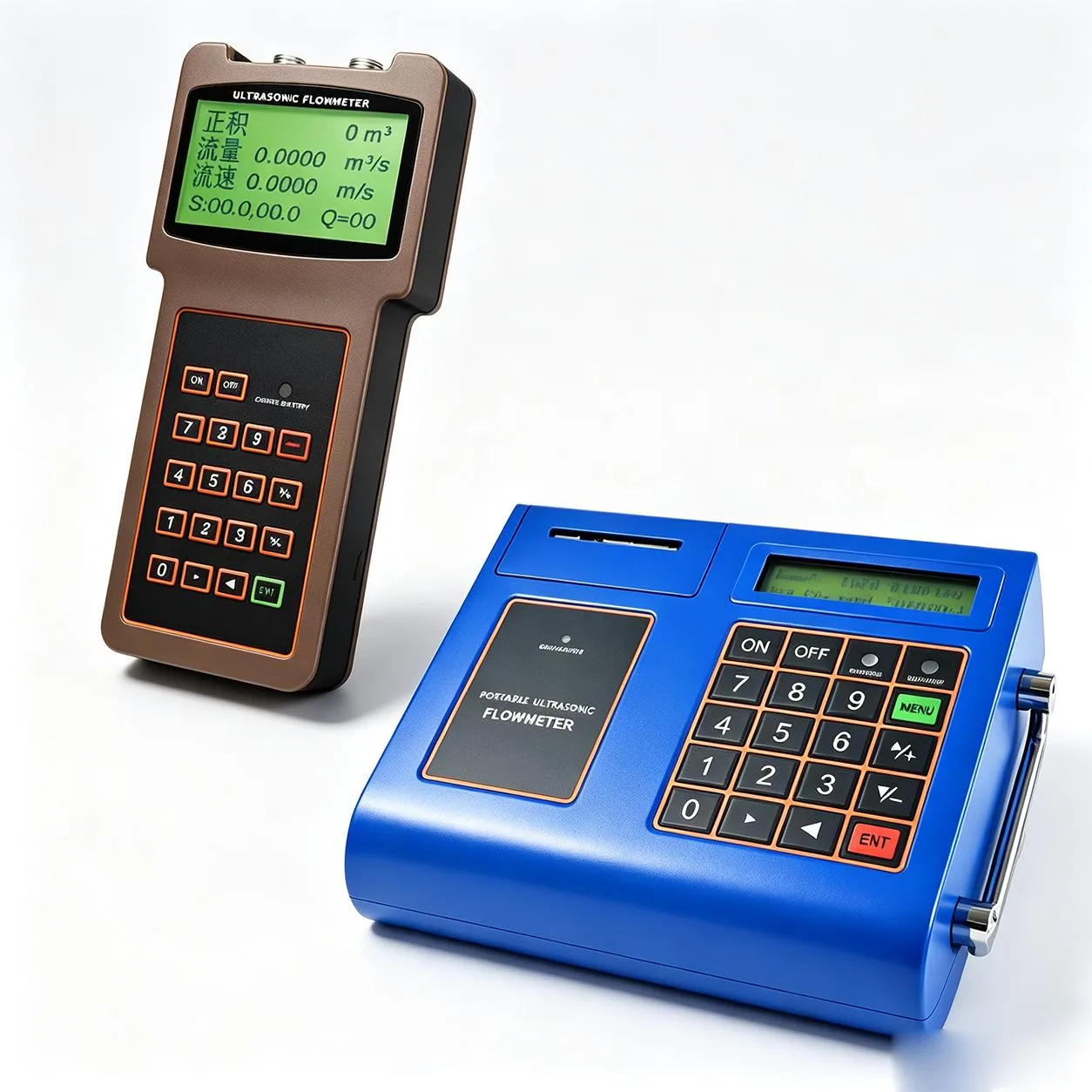
TYCK FLOW U210 Ultrasonic Flow Meter

Ultrasonic Flow Meter with configuration-specific range, connection, material and output options

  • Platform modelU210
  • Measuring mediumhomogeneous liquid, non-conductive liquid

Process and utility lines when fluid properties match the selected measurement principle.

Documents Request quote

Flow Meter

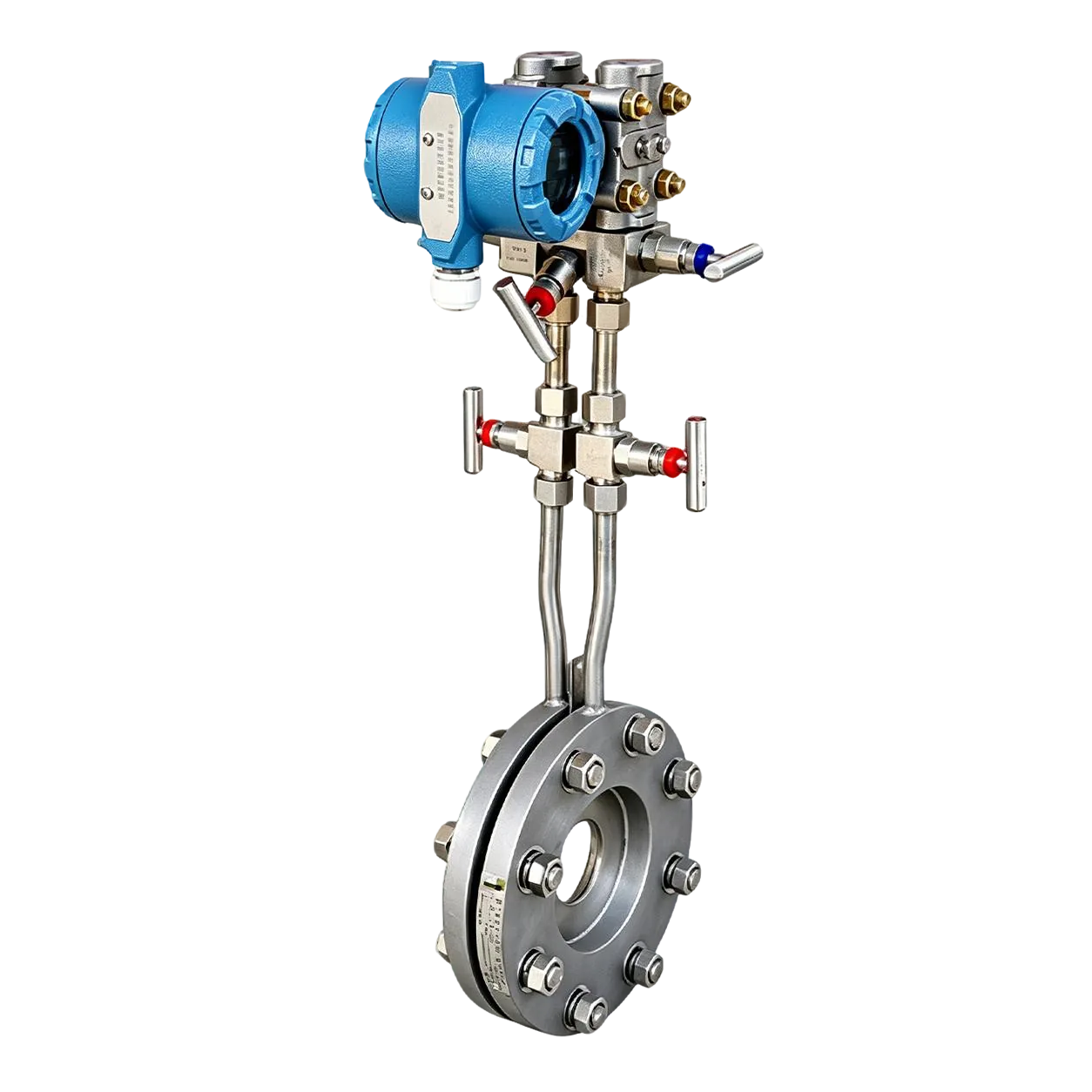
TYCK FLOW O310 Differential Pressure Primary Elements

Differential Pressure Primary Elements with configuration-specific range, connection, material and output options

  • Platform modelO310
  • Measuring mediasteam, gas and liquid

Process and utility lines when fluid properties match the selected measurement principle.

Documents Request quote

Engineering Selection Guide

Frequently asked questions

How should different flow-meter principles be compared?

Give each supplier the same fluid properties, flow envelope, pipe details, pressure and temperature, pressure-loss limit, outputs and measurement objective. Ask for proposed size, usable range, installation requirements and uncertainty basis. A fair comparison includes maintenance and compensation, not only headline accuracy. Record any assumption so differences in density, reference conditions or internal diameter do not appear as instrument differences.

What causes poor flow-meter performance after installation?

Common contributors include wrong internal diameter, insufficient straight run, partially full pipe, bubbles, solids, unstable profile, incorrect grounding, vibration, poor impulse piping, unconfigured compensation or flow outside the sized range. The relevant causes depend on principle. Compare the actual installation with the selected model's instructions and process datasheet before changing calibration or applying an arbitrary correction.

When is a sizing sheet needed?

A sizing record is valuable whenever fluid properties, flow range, velocity, pressure loss, Reynolds number, compensation or meter bore influence selection—which covers most engineered flow applications. It should identify inputs, units, assumptions and the proposed configuration. The record allows procurement, installation and commissioning teams to verify that the delivered meter matches the conditions used for selection and to reassess later process changes.