TYCK Product Matrix

Industrial Pressure Transmitters

Compare TYCK industrial pressure transmitters for electronic pressure transmitters for gauge and absolute measurement. Review selection factors, applications, limitations, published products and request a configuration-specific quote.

29 Product results

Engineering Selection Guide

Category overview

A pressure transmitter converts a process pressure into an electrical value for a control, monitoring or data-acquisition system. Selection starts with reference type and calibrated span, not with housing appearance. Specify whether the measurement is gauge, absolute or sealed gauge, then list normal pressure, controlled range, start-up and shutdown states, vacuum exposure and the highest credible transient. The configured upper and lower range values should preserve useful resolution while remaining within the chosen sensor and process connection's documented limits.

Process compatibility extends beyond a diaphragm material name. The medium, concentration, temperature, solids, viscosity, crystallisation, hydrogen permeation, oxygen cleanliness or hygienic cleaning can influence construction and documentation. A flush diaphragm or remote seal may isolate difficult media, but fill fluid, capillary and ambient gradients introduce their own response and temperature effects. When an accessory is essential, treat the transmitter and accessory as one configured system and request the performance basis for that assembly.

Electrical integration should be defined before the order code is frozen. State loop supply, 4–20 mA or another required output, digital communication, display, cable entry, grounding practice and receiving-system input. Decide whether configuration access, diagnostics or local indication is actually required. Hazardous location, ingress protection and electromagnetic environment must be supported by the selected enclosure and exact documents; a family photo or option list is not proof that every version carries the same approval.

Use this page to narrow TYCK pressure-transmitter families, then verify the individual SKU. The RFQ should request calibrated range and units, reference accuracy basis, temperature effects, overload, wetted materials, process connection, enclosure, output and certificates. A calibration document may report test points but does not replace the installation review. Mounting position, impulse piping, liquid head, vibration, pulsation and thermal exposure can all influence the installed measurement and should be addressed in commissioning.

Selection factors

Calibrated measurement
State reference type, lower and upper range values, normal operating band, required units, expected turndown, vacuum and transient pressure. Ask for performance at the proposed span, not only at a broad sensor range.
Wetted system
List medium, concentration, temperature, cleaning and compatibility concerns. Define thread, flange, flush diaphragm or seal, all wetted materials and any fill fluid that could contact the process after a boundary failure.
Loop integration
Specify supply limits, analogue output, communication, display, update or damping need, cable entry, enclosure, grounding and input-card characteristics. Confirm which functions are present in the quoted order code.
Records and lifecycle
Identify calibration, material, hazardous-area or dimensional documents required at delivery. Consider isolation valves, overpressure protection, access for calibration and whether configuration settings must be recorded after commissioning.

Typical applications

  • Hydraulic and pneumatic equipment where pressure cycling, response, connection size and overload protection are defined.
  • Process pipework and packaged skids that send a standard signal to a PLC, DCS or monitoring gateway.
  • Pump and compressor monitoring where vibration, pulsation, suction vacuum and discharge transients are included in the review.

Limitations and confirmation points

  • The broad sensor range is not the same as the configured measuring span or guaranteed performance at that span. Ask for limits and errors referenced to the proposed configuration.
  • Remote seals, capillaries, snubbers and mounting arrangements can change response and temperature behaviour. Their effects cannot be represented by the bare transmitter's headline specification alone.

Product Catalog

Pressure Transmitter

29products

Compare Selected 0/4

Select at least two products to compare.

Pressure Transmitter

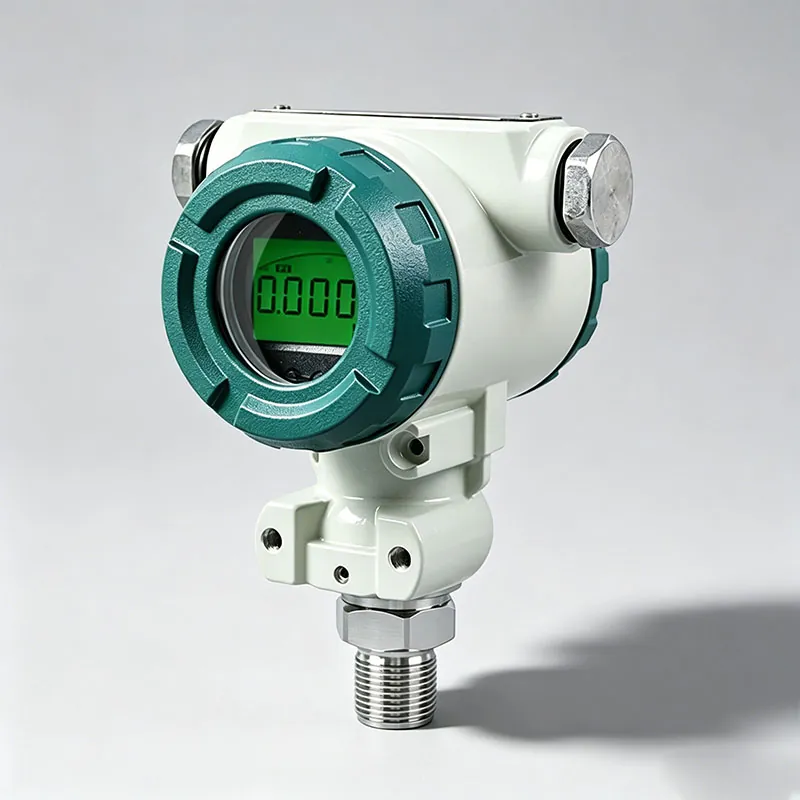
TYCK PRIME APT100 Remote Diaphragm Seal Pressure Transmitter

Remote Diaphragm Seal Pressure Transmitter with configuration-specific range, connection, material and output options

Process skids and utility systems requiring pressure or differential-pressure measurement.

Documents Request quote
5 SKUs

Pressure Transmitter

TYCK PRIME APT200 Smart Pressure Transmitter

Smart Pressure Transmitter with configuration-specific range, connection, material and output options

Process skids and utility systems requiring pressure or differential-pressure measurement.

Documents Request quote
9 SKUs

Pressure Transmitter

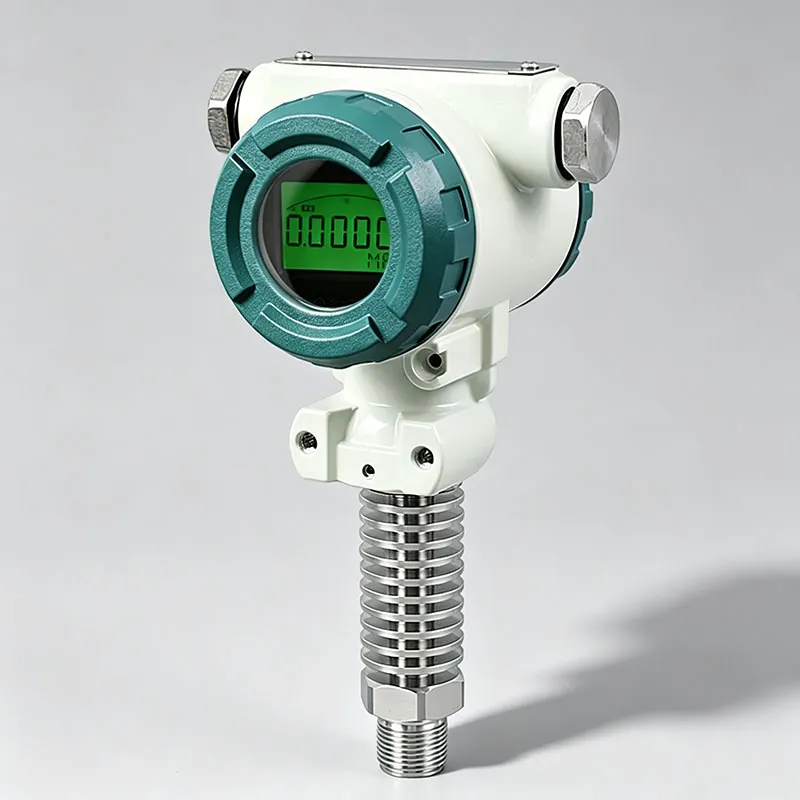
TYCK PRIME APT200 High-Temperature Pressure Transmitter

High-Temperature Pressure Transmitter with configuration-specific range, connection, material and output options

Process skids requiring a standardized RTD or thermocouple signal interface.

Documents Request quote
9 SKUs

Pressure Transmitter

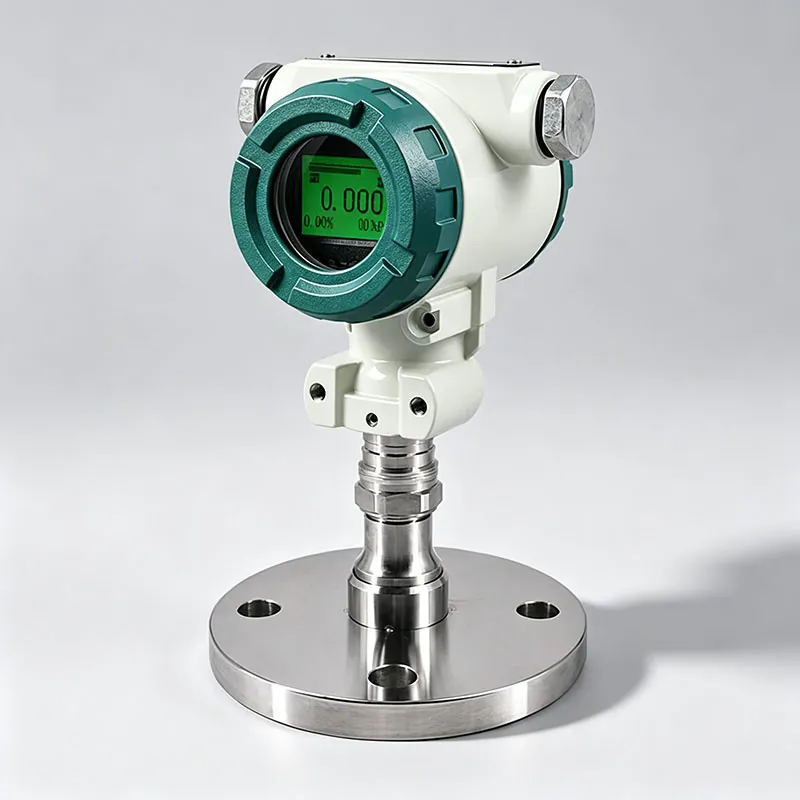
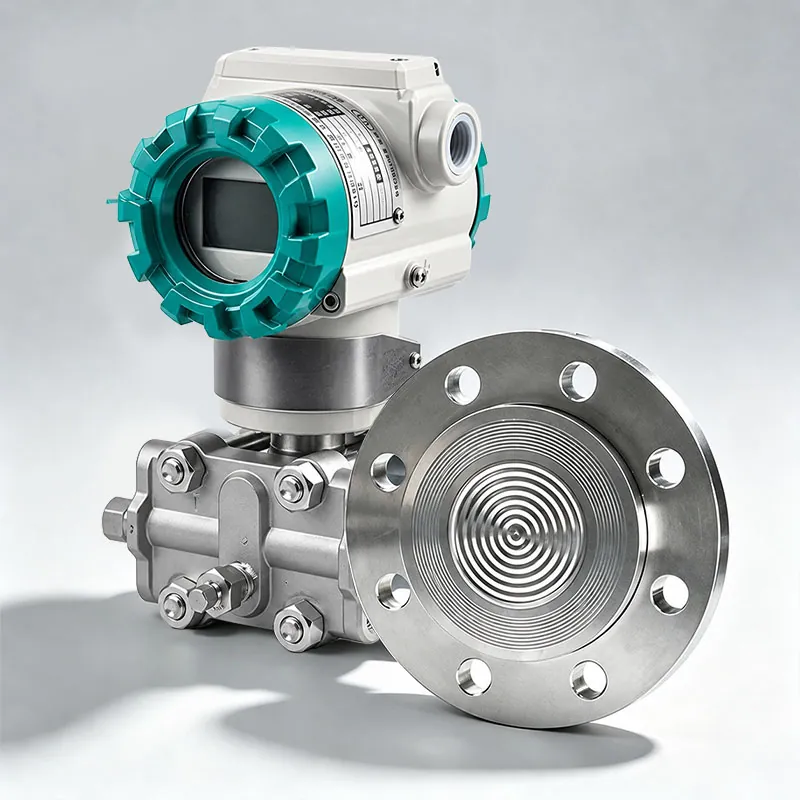
TYCK PRIME APT200 Flush-Diaphragm Flanged Pressure Transmitter

Flush-Diaphragm Flanged Pressure Transmitter with configuration-specific range, connection, material and output options

Process skids and utility systems requiring pressure or differential-pressure measurement.

Documents Request quote
5 SKUs

Pressure Transmitter

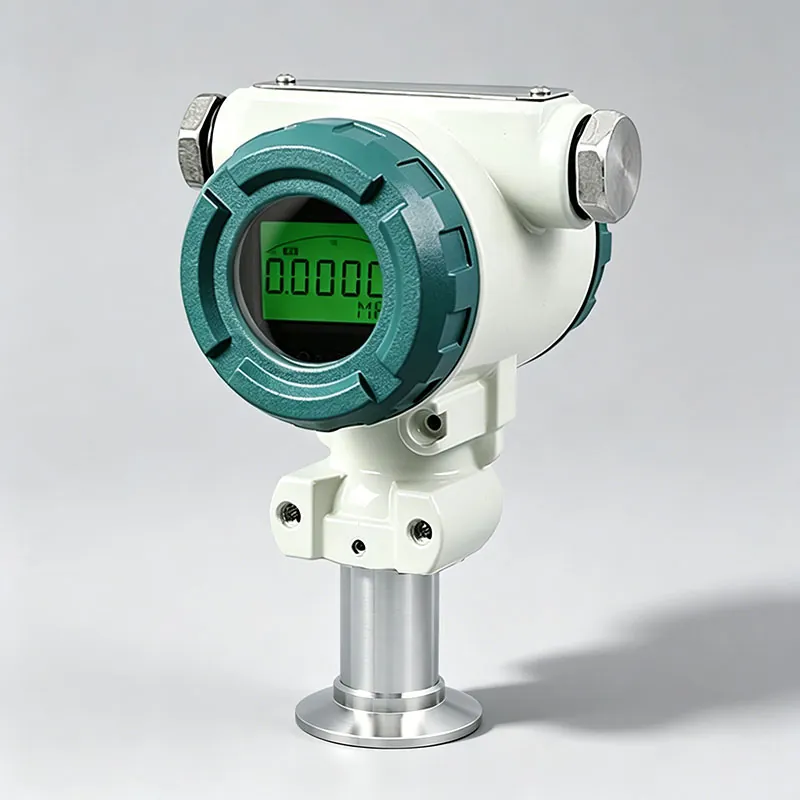
TYCK PRIME APT200 Hygienic Clamp Pressure Transmitter

Hygienic Clamp Pressure Transmitter with configuration-specific range, connection, material and output options

Process skids and utility systems requiring pressure or differential-pressure measurement.

Documents Request quote
6 SKUs

Engineering Selection Guide

Frequently asked questions

How should a transmitter range be chosen?

Choose from the complete operating envelope and required control resolution. Give the normal band, minimum, maximum, vacuum and upset values, then ask the supplier to identify a sensor and calibrated span that cover them with documented margin. Avoid assuming that maximum sensor capability is the best configured range. Performance, overload and turndown should all be confirmed for the exact proposed code and settings.

When is a diaphragm seal worth considering?

A seal may help isolate hot, corrosive, viscous, crystallising, sanitary or plugging media, or provide a flush process surface. It is not a free improvement: diaphragm size, fill fluid, capillary length, mounting and ambient temperature can affect response and zero. Submit the process and ambient conditions and ask for a complete sealed-system specification, including materials and the resulting performance basis.

Does digital communication guarantee every diagnostic function?

No. A communication protocol describes an interface, not the exact commands, device variables or diagnostics implemented by each model and revision. List the configuration and diagnostic functions the control system needs, plus any device-description or integration requirement. The supplier should confirm those items for the quoted firmware and order code. Safety or maintenance decisions should not rely on an undocumented diagnostic flag.