Pressure measurement starts by defining what the reading is referenced to. Gauge pressure compares the process with local atmosphere, absolute pressure compares it with vacuum, and differential pressure compares two process points. Those distinctions affect zero behaviour, calibration and installation. A useful specification therefore records the normal value, start-up and shutdown values, possible vacuum, maximum working pressure and the fastest credible pressure surge. Selecting only from the normal operating point can leave too little span for control or too little protection for an upset.
The process medium is equally important. Temperature, viscosity, solids, crystallisation, corrosion, oxygen service and hygienic cleaning can change the appropriate wetted material or require an isolating seal. A hot impulse line may cool the process before it reaches the sensor, while a direct-mounted device sees the process temperature more closely. Pulsating pumps and compressors can need damping, and a liquid head between the tapping point and instrument can shift the indicated zero. These are application effects rather than corrections that should be assumed from a catalogue photograph.
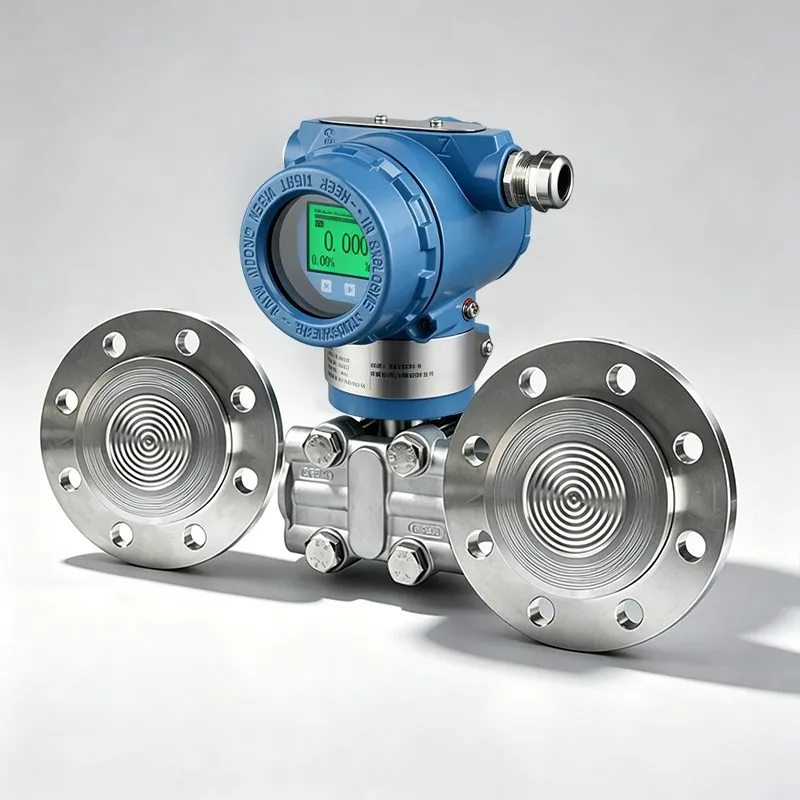
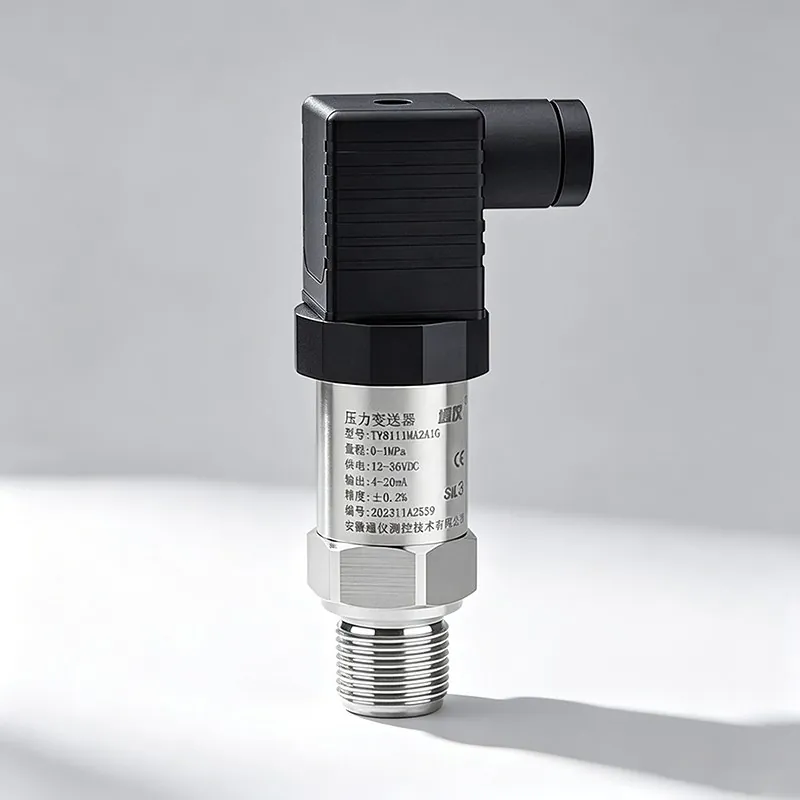
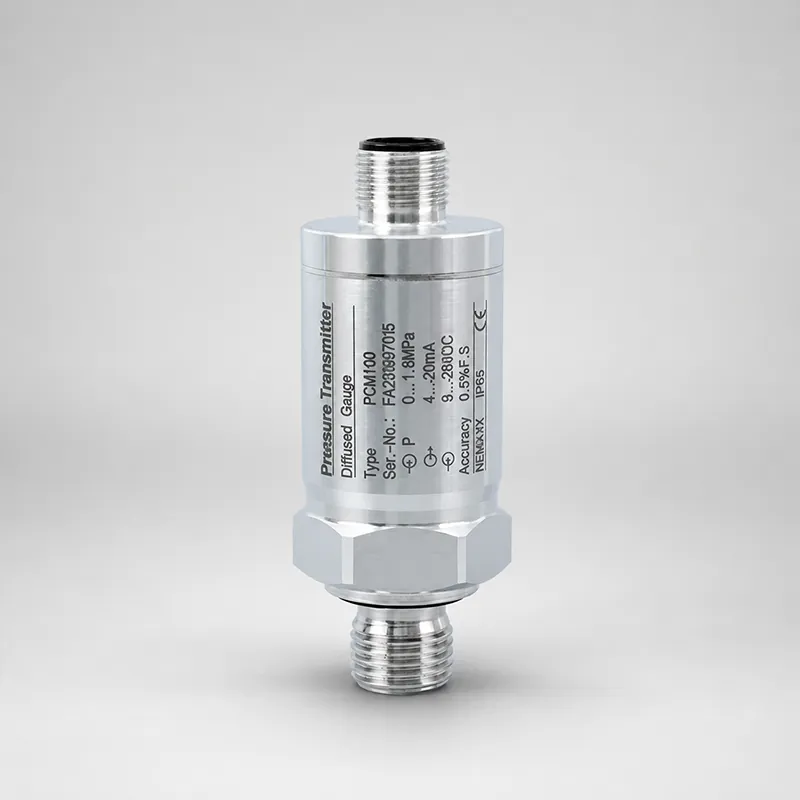
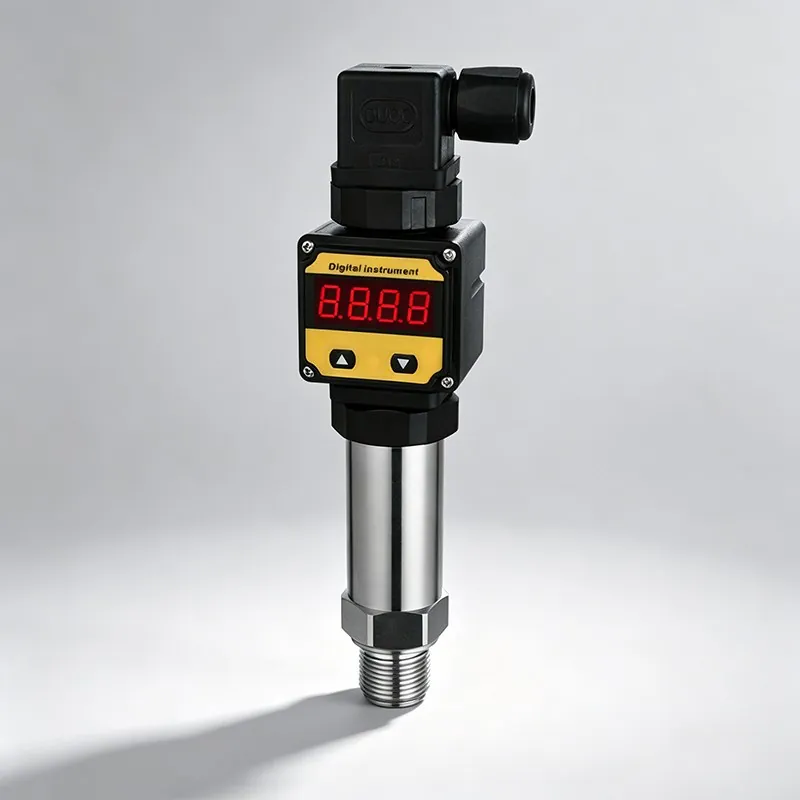
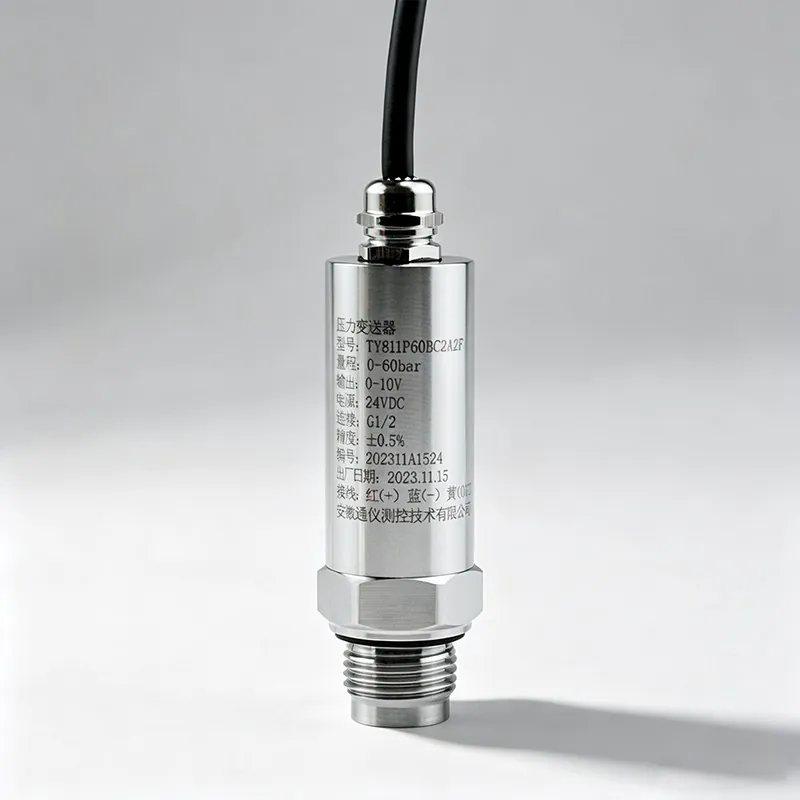
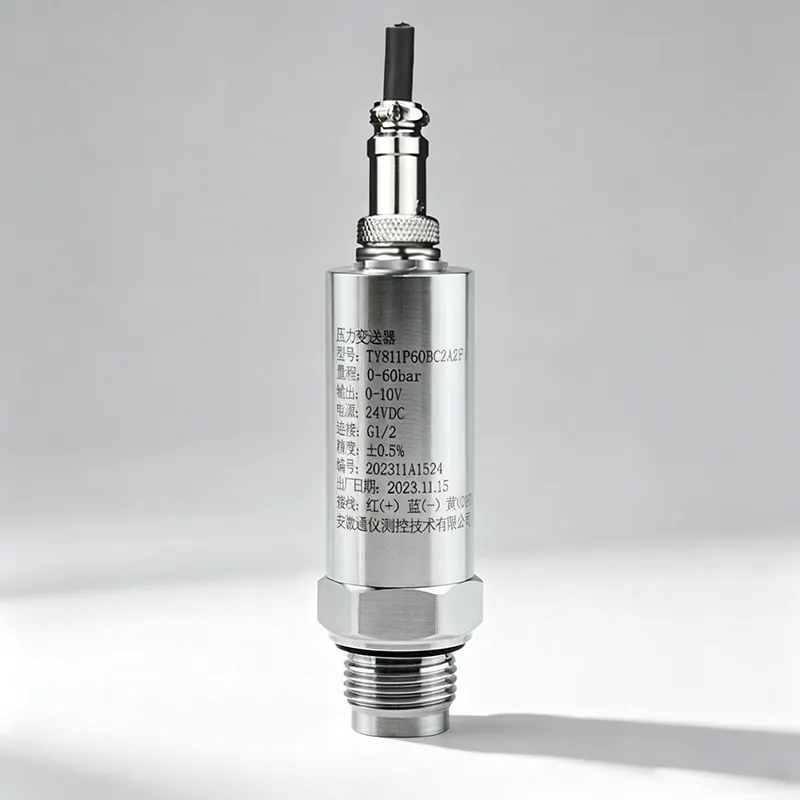
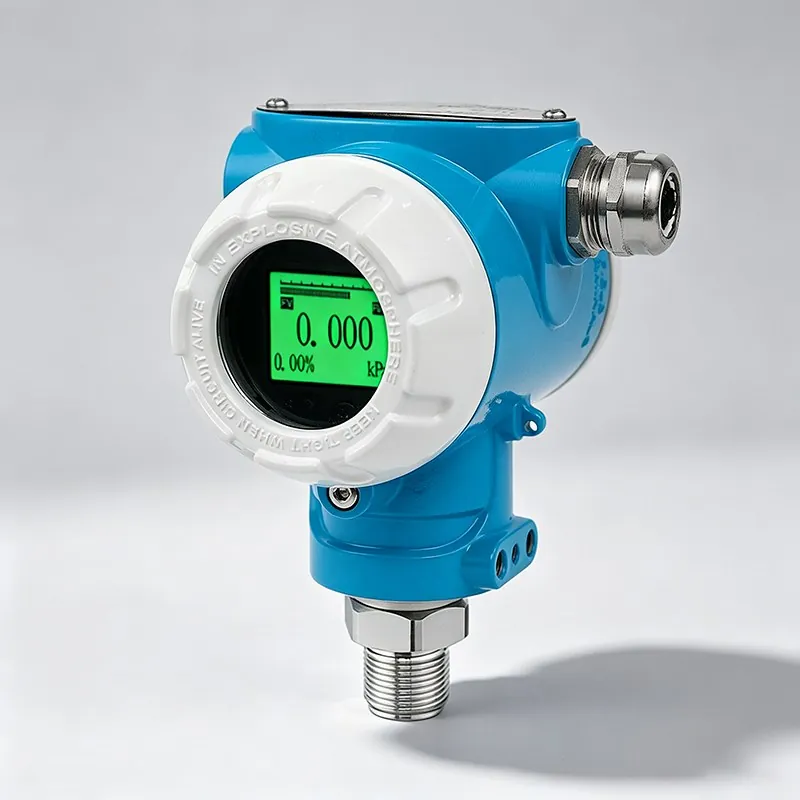
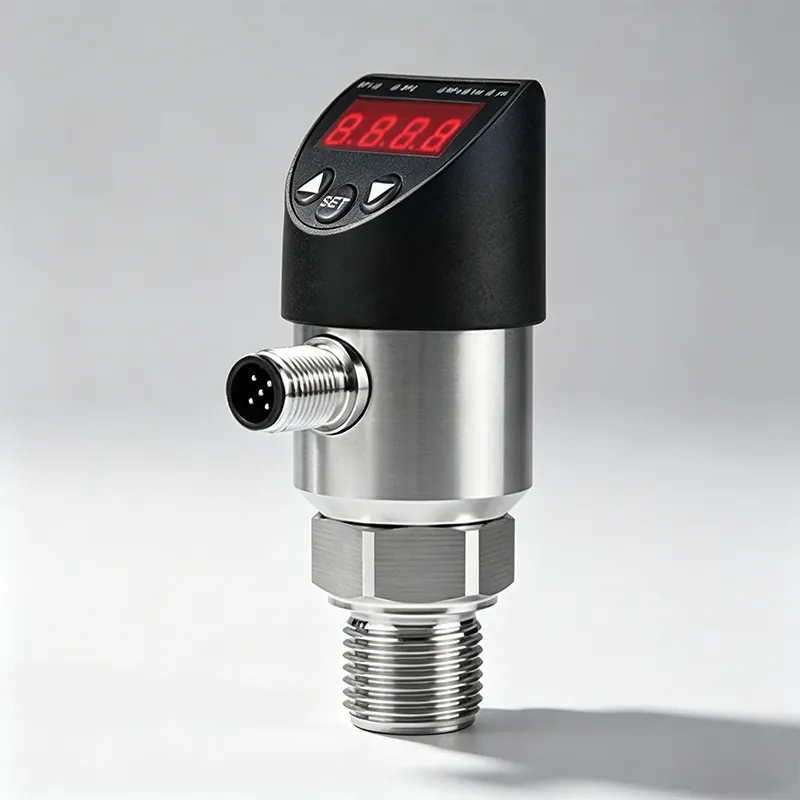
Pressure products also serve different jobs. A mechanical gauge gives local indication without loop power; a transmitter sends a signal to a controller; a differential transmitter measures the difference between two connections; and a controller or switch creates an alarm or action. The best device is the one whose function, installation and evidence match the measurement task. When requesting a TYCK configuration, identify the reference type, range and units, process connection, wetted materials, output, supply, display, enclosure, ambient conditions and any documented approval requirement.
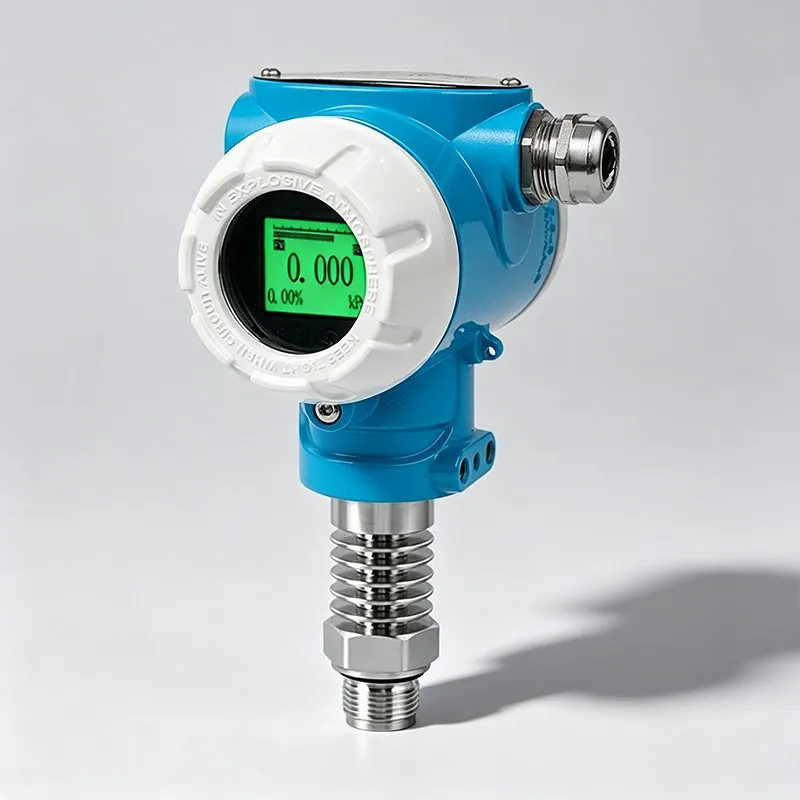
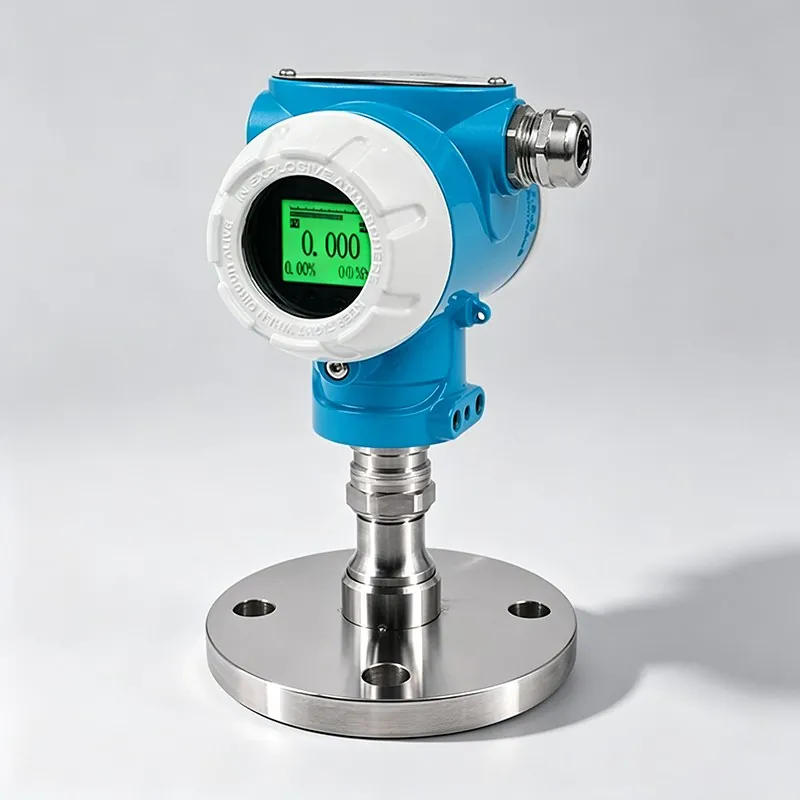
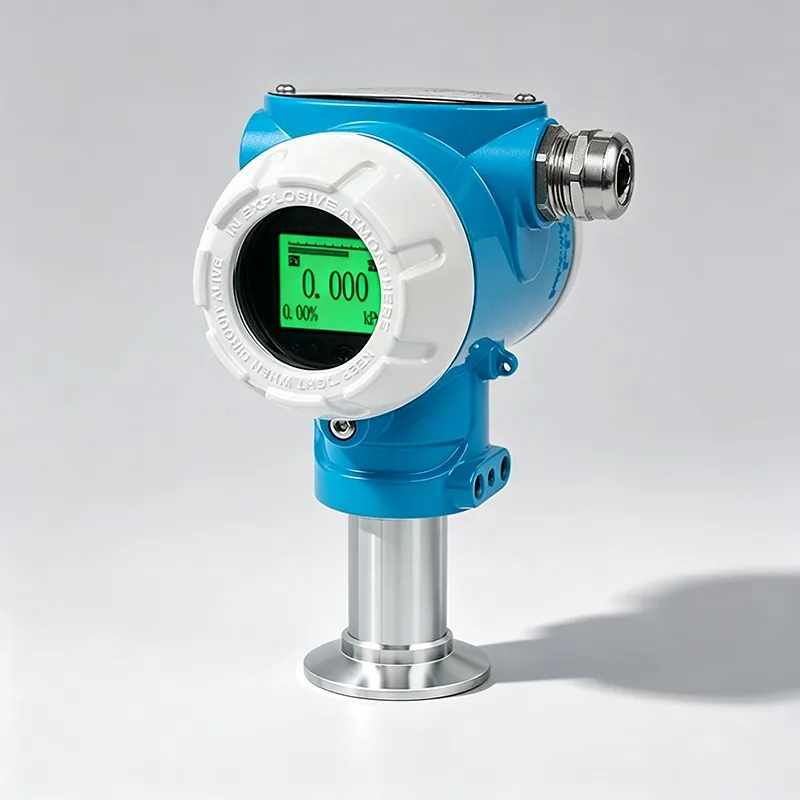
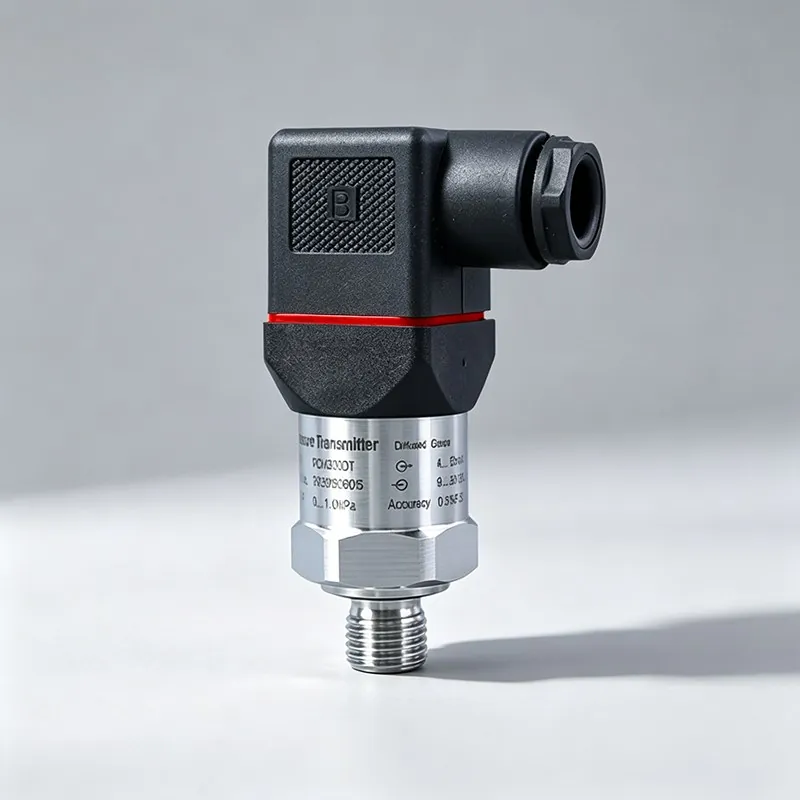
Use the product cards below as an index to published families, not as permission to interchange models. Exact accuracy, overload, temperature effects, ingress protection and certificates can differ by order code. If a value is absent, place it in the enquiry as a required confirmation. A technical response should connect the proposed SKU to its current datasheet, drawing or certificate and should state any protective accessory, such as a siphon, snubber, manifold or diaphragm seal, that forms part of the proposed measurement assembly.